

On a mild day
Above freezing, your heat pump pulls heat from the outside air and pushes it inside without strain. The coil stays clean, the fan moves air freely, and the house heats evenly. This is the system working the way it was designed to.
Winters in Kansas get cold enough that a heat pump running alone makes you wonder if it can keep up, especially once temperatures drop into the teens or lower. Most homes here already have a gas furnace, so the question is really whether that furnace needs to stay in the picture once a heat pump goes in, or whether it can be removed.
A heat pump moves heat from the outside air, and the colder that air gets, the less heat it has to give. Once temperatures drop into the teens or below, which happens most winters in Kansas, a heat pump alone starts to struggle to keep a house warm. That's why most installations here pair the heat pump with the gas furnace already in the home, letting the furnace take over or help out once outdoor temperatures fall below where the heat pump works efficiently. You get the lower running cost of the heat pump most of the season, with the furnace as backup for the hardest cold. Removing the furnace entirely means leaning on electric resistance heat for backup instead, which costs more to run.

Above freezing, your heat pump pulls heat from the outside air and pushes it inside without strain. The coil stays clean, the fan moves air freely, and the house heats evenly. This is the system working the way it was designed to.

Once temperatures drop hard, the same unit has to work harder to pull heat from air that has less to give. If the coil is dirty or frost builds up and doesn't clear, output drops further. This is where a gas furnace matters, picking up what the heat pump can't.




You might notice the air coming out of the vents feels cooler than it used to, even though the thermostat says the system is running. The unit cycles on and stays on longer than it seems like it should. Some rooms warm up fine while others stay chilly. On the coldest mornings, you hear it running almost constantly and still catch yourself pulling on another layer. None of this means the equipment is broken. It's what a heat pump does once outdoor temperatures drop low enough that there isn't much heat left in the air to pull from. Left alone through a hard stretch of cold, a house without backup heat can struggle to hold a comfortable temperature at all, and the system works harder than it should to try.
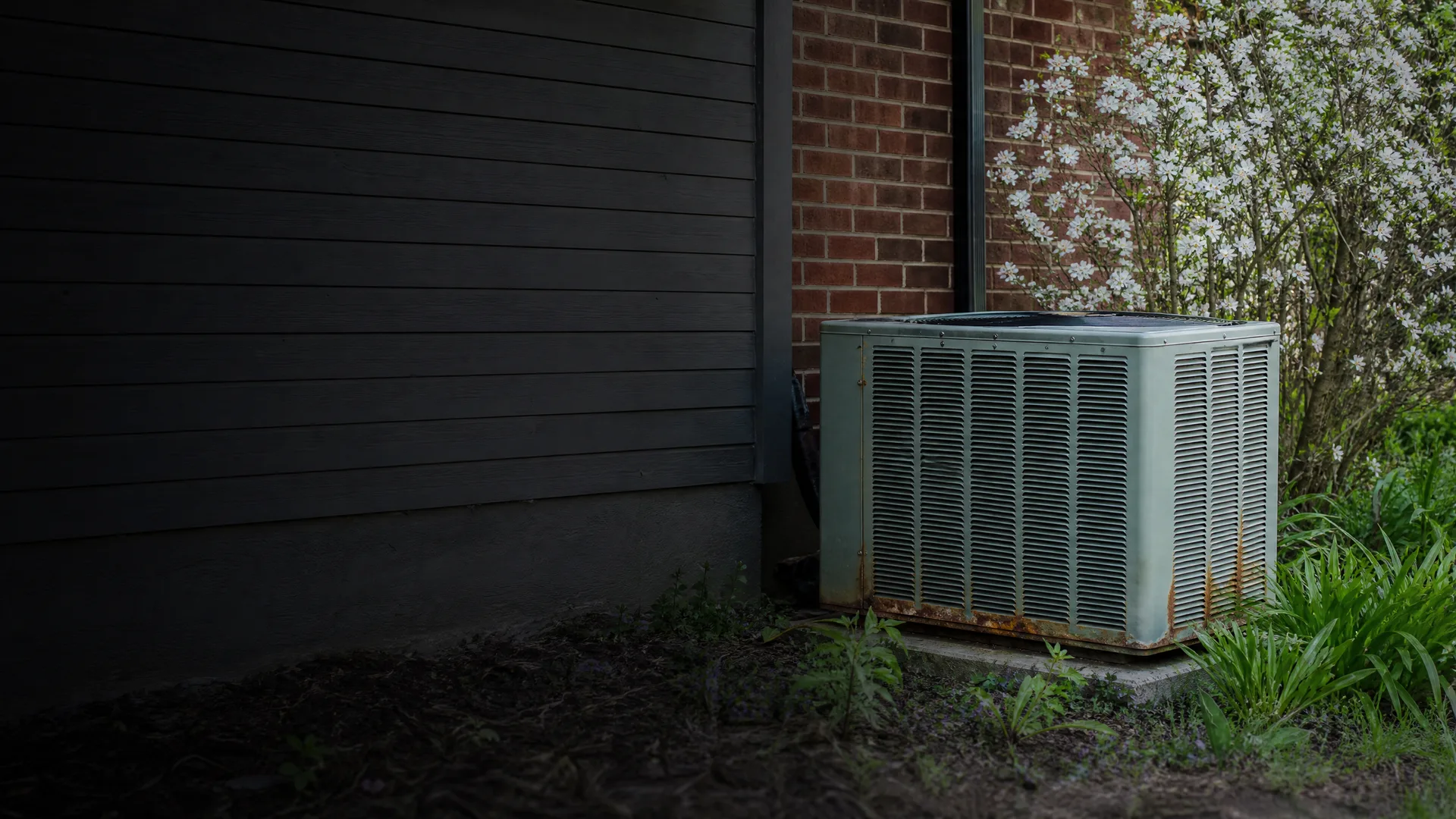
You walk around the side of the house on a mild spring afternoon to check on the unit before the weather turns warm for good. The grass is coming up green around the pad, and the outdoor heat pump sits there the same as it has for years, humming along. Crouching down, you notice rust creeping along the base, flaking where the metal meets the ground. It wasn't there last spring. The coil above it looks fine, the fan spins free, but that rust line makes you wonder what's happening underneath, out of sight, and whether it already cost you something this past winter without you knowing it.


A heat pump moves heat instead of making it, and that's what changes as the temperature drops outside. The outdoor unit has a reversing valve that lets it pull heat from the outside air in winter, the same way it pulls heat from inside the house in summer. Cold air still holds some heat down to very low temperatures, but the colder it gets, the less there is to grab, so the compressor has to run longer to move the same amount into the house. At some point the unit calls for backup, either the electric strips built into the air handler or the gas furnace already in the house if the system is paired with one. That call happens automatically, through the thermostat or a control board that tracks outdoor temperature and how long the compressor has been running. A furnace paired this way only fires when the heat pump genuinely can't keep up, not every time the weather turns cold.


One installer gets your project, so there's no bidding war over it.
Asking costs nothing, and the choice to hire stays yours.

Summer here isn't just hot, it's heavy. The dew point averages 64°F across June, July and August, which is the point where air starts to feel thick instead of just warm. Your heat pump has to pull that moisture out of the air at the same time it's lowering the temperature, so it runs longer on humid afternoons even when the thermostat number barely moves. You'll notice it most on the stickiest days, when the house feels cool but not quite dry, and the system seems to run without much of a break. That's the coil working through moisture, not a sign it's falling behind.
NASA POWER T2MDEW county cells weighted by homes


Below this point, the outdoor coil pulls less heat from the air, and the heat pump alone starts to fall behind on cold Kansas days.
Most Kansas homes already have a gas furnace. Pairing it with your heat pump means backup heat is a wiring job, not a new install.
At that rate, leaning on electric resistance strips for backup heat on the coldest nights adds up fast, since they draw a lot of power to make up what the heat pump can't. Pairing your heat pump with the gas furnace most Kansas homes already have keeps those hours off the electric bill.
EIA-861 2025 statewide residential average
A heat pump alone will not get you through a Kansas winter. Once temperatures fall into the teens, the outdoor coil cannot pull enough heat from the air, and something else has to carry the load. For most homes here, that something is already sitting in the basement or the closet: a gas furnace. Pairing the two means your heat pump keeps handling the mild days, which is most of the season, and the furnace only kicks in when the cold gets serious. Nobody has to flip a switch for that to happen. A proper installation sets up the handoff so the system moves from heat pump to furnace on its own as the temperature drops, then back again once it climbs.
Getting that handoff right depends on matching the furnace to the heat pump correctly, and that is not something every contractor sees often. Someone local who installs these pairings every winter has a feel for which combinations hold up and which ones leave a house short on the coldest nights. That is the kind of judgment that comes from doing the work in this climate, not from a manual.
Sending a request through this page puts you in touch with one contractor, not a handful calling over the next hour. That contractor is licensed and local, and installing a heat pump and furnace to work together, on your house, is the job.
Sending the form costs nothing.
A gas furnace already sitting in your house doesn't do much good until it's wired to work with your heat pump instead of against it. Getting that pairing installed before the next hard freeze means you're not stuck guessing whether the strips can carry the load alone.
