
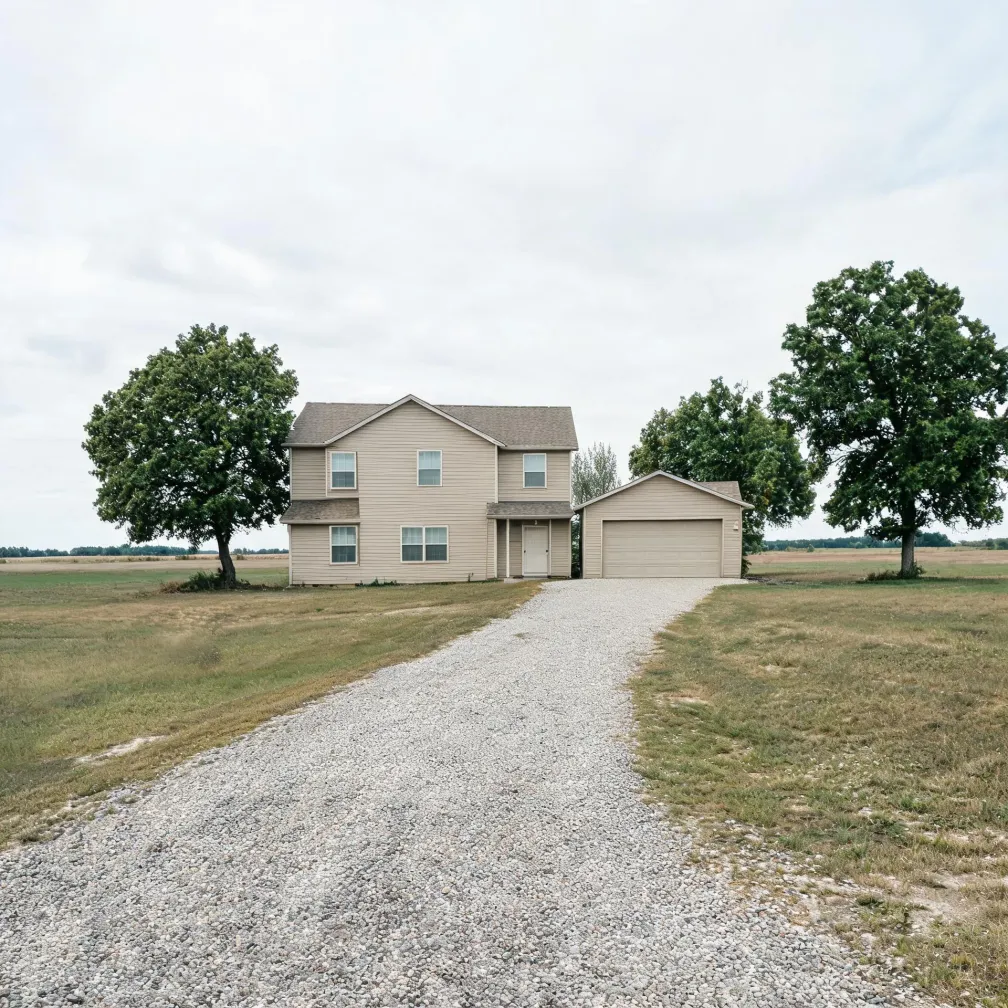
What Kansas homes are up against.
NOAA National Centers for Environmental Information, Storm Events Database, bulk CSV export, events 2015-01-01 through 2024-12-31. · U.S. Census Bureau, 2020-2024 American Community Survey 5-Year Estimates

A heat pump's compressor and reversing valve do not get much rest here. Homes in Kansas run heat about seven months a year, from October through April. A system running that long accumulates cycles on every part that moves, and a unit that was sized too small for the house it heats will reach the limits of those parts earlier than one matched to the actual load. That is what a contractor has to work out before the job is quoted: not just whether a heat pump fits the space, but whether it is built to carry the load Kansas's heating season puts on it without compounding wear.
A quote for heat pump work starts with what a contractor can verify in person, not what seems likely from the street. Ductwork may be undersized, routed in ways that restrict airflow, or connected to a panel that was never sized for a heat pump's electrical draw. None of that is visible from the outside. Half the homes in Kansas were built in 1976 or earlier (2020-2024 ACS 5-year). That puts a large share of Kansas homes in a position where the existing systems have to be opened and measured before a contractor can specify equipment, price the job, or know whether the electrical service needs an upgrade.
Does your county put extra stress on HVAC equipment?
2015–2024 · Source: NOAA National Centers for Environmental Information, Storm Events Database.
A county that ranks high in recorded severe weather events is one where outdoor equipment faces a harder job. Condensers and heat pump units sit outside through whatever the season brings: driving rain, hail, ice loading, high winds, and temperature swings wide enough to push any system toward its design limits. Getting the sizing and placement right from the start matters, and that is the call a licensed contractor works out for your specific property.
Kansas HVAC Installation and Repair License Requirements
Kansas has no statewide HVAC license. Cities and counties license contractors.
Kansas defines the HVAC credentials its counties and cities license from: a master mechanic plans, lays out and supervises the installation and repair of the system, and a journeyman mechanic installs and repairs it.
Every contractor we send a request to holds the license your city or county requires.
See the sourced Kansas HVAC licensing provisions4 provisions
Kansas defines the HVAC credentials its counties and cities license from: a master mechanic plans, lays out and supervises the installation and repair of the system, and a journeyman mechanic installs and repairs it.
A Kansas certificate of competency travels: once a mechanic has passed the state-designated examination, that certificate is valid proof of competency for licensure without a further examination in any Kansas county or city that licenses HVAC mechanics.
Kansas leaves HVAC licensing to the county or city: the state designates the examination, but the licence itself is issued by any county or city that requires one — so who licenses a contractor depends on where the work is.
Kansas sets the floor every county and city licence has to meet: a passing score of 75% on the examination, a uniform fee charged to every applicant alike, and at least six hours of continuing education a year.