Tell us about the job
Takes about a minute. No obligation.
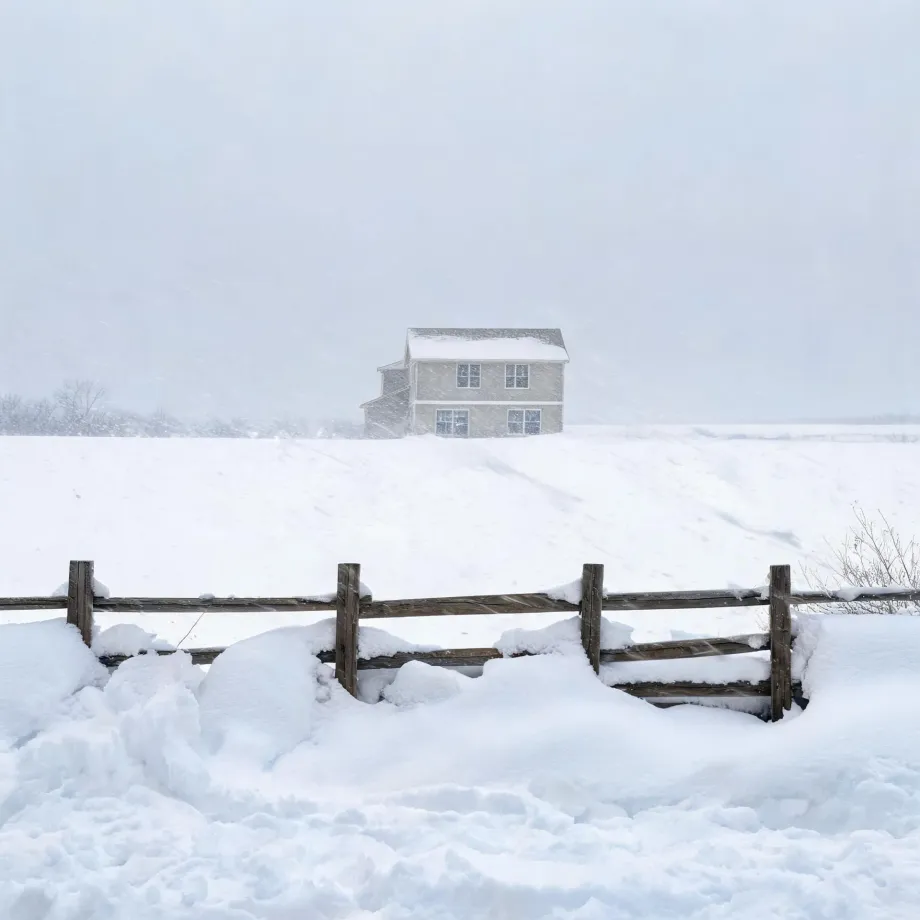
A heat pump's capacity falls as outdoor temperatures drop, which makes sizing the installation's first real decision rather than a routine one. Homes in Clark County, KS run heat about seven months a year, from October through April. Through those months, a unit that was quoted without a proper load calculation will lean on its backup heat more than it should, running up costs the homeowner did not expect. A contractor has to account for Clark County's coldest stretches, not its average days, before committing to a size and a backup heat spec.
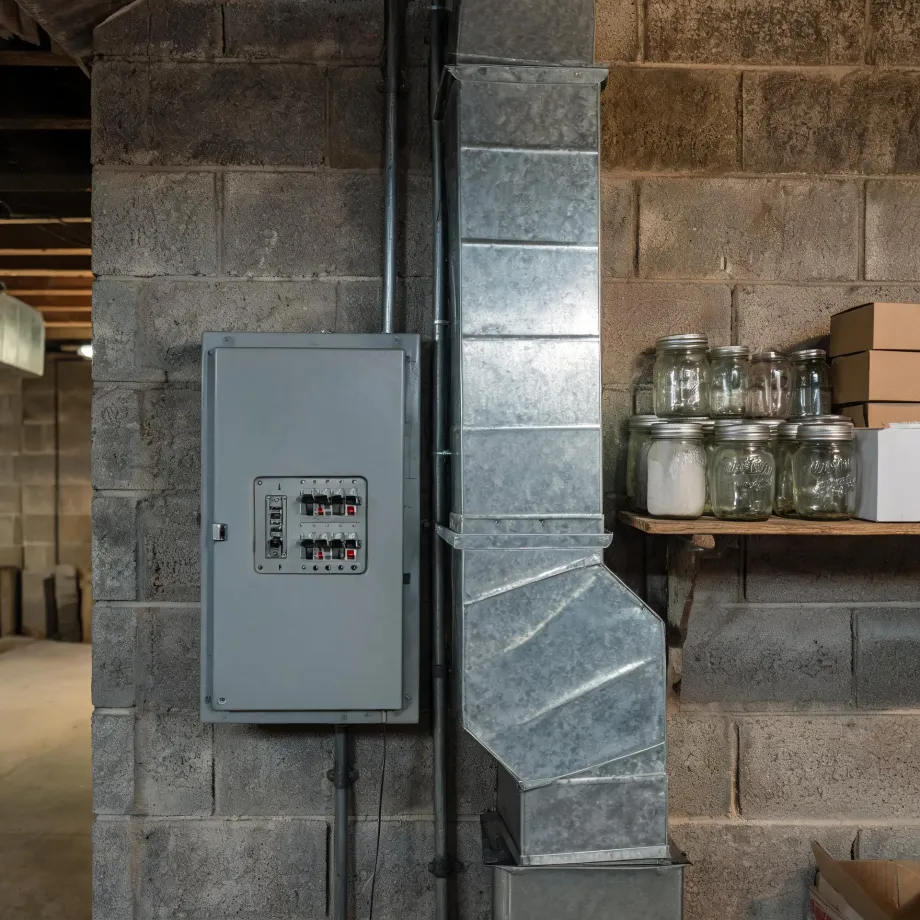
Ductwork laid down for a furnace or a window unit was not sized with a heat pump's airflow requirements in mind, and that gap is where a heat pump installation in Clark County gets decided. Half the homes in Clark County, Kansas were built in 1946 or earlier (2020-2024 ACS 5-year). That puts the duct system at the center of what a contractor has to assess before anything else gets priced. If the existing runs are too narrow or the returns too few, the equipment a homeowner selects is secondary to what the house will actually carry.
What a Heat Pump Installation Covers
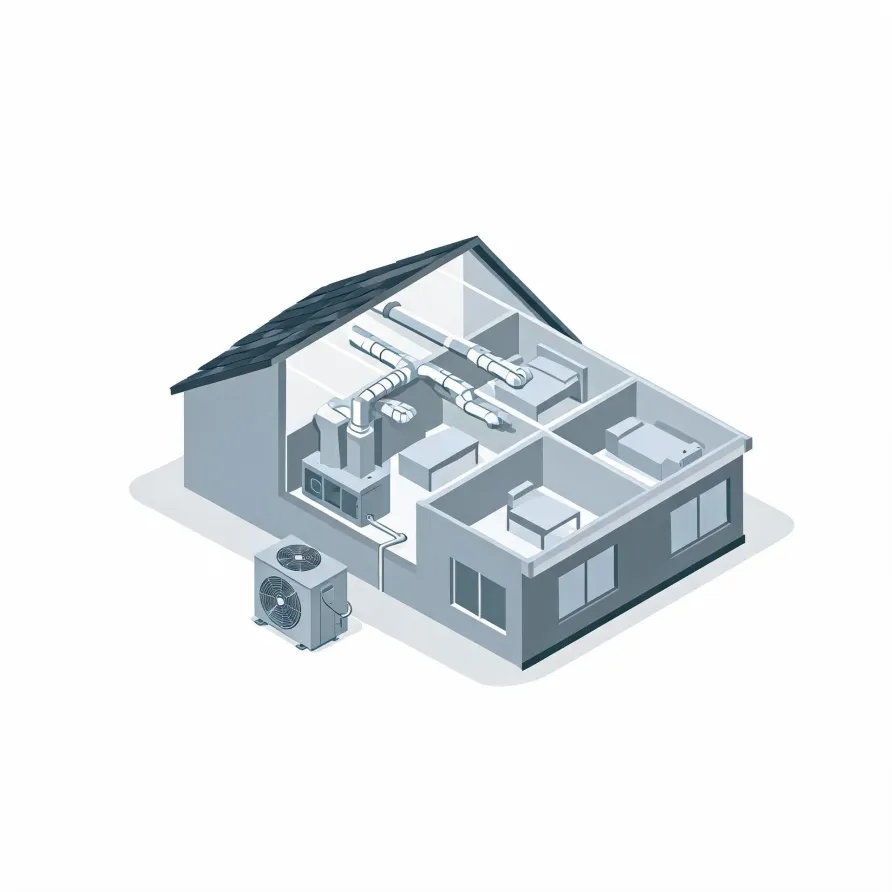
The outdoor unit sits on a pad beside the house and holds the compressor and coil that do the core work of moving heat. Inside, the air handler mounts in a utility space, basement, or closet and circulates conditioned air through the home. Together these two units are what a new installation puts in place.
A refrigerant line set runs between the outdoor and indoor units, connecting them through an exterior wall. A thermostat goes on an interior wall where it reads the living space and signals both units to run or stop. The condensate drain line carries moisture from the air handler to a floor drain or outside.
The drawing shows a typical layout, and a licensed contractor determines what the installation looks like in your specific home.
Find a contractor in Clark CountyClark County, Kansas, by the numbers
110 severe weather events were recorded in Clark County, Kansas between 2015 and 2024.
NOAA National Centers for Environmental Information, Storm Events Database, bulk CSV export, events 2015-01-01 through 2024-12-31.Half the homes in Clark County, Kansas were built in 1946 or earlier (2020-2024 ACS 5-year).
U.S. Census Bureau, 2020-2024 American Community Survey 5-Year EstimatesClark County, Kansas holds 1,039 housing units (2020-2024 ACS 5-year).
U.S. Census Bureau, 2020-2024 American Community Survey 5-Year EstimatesOwners occupy 73.6% of the occupied homes in Clark County, Kansas (2020-2024 ACS 5-year).
U.S. Census Bureau, 2020-2024 American Community Survey 5-Year EstimatesSevere Weather Events in Clark County
Clark County's climate puts real demands on heating and cooling equipment, and those demands are shaped by how hard local weather pushes the system over time. A heat pump sized and installed for this area has to hold up under conditions that are specific to this ground, not some regional average.
110 severe weather events, 2015–2024. Source: NOAA National Centers for Environmental Information, Storm Events Database.