Tell us about the job
Takes about a minute. No obligation.
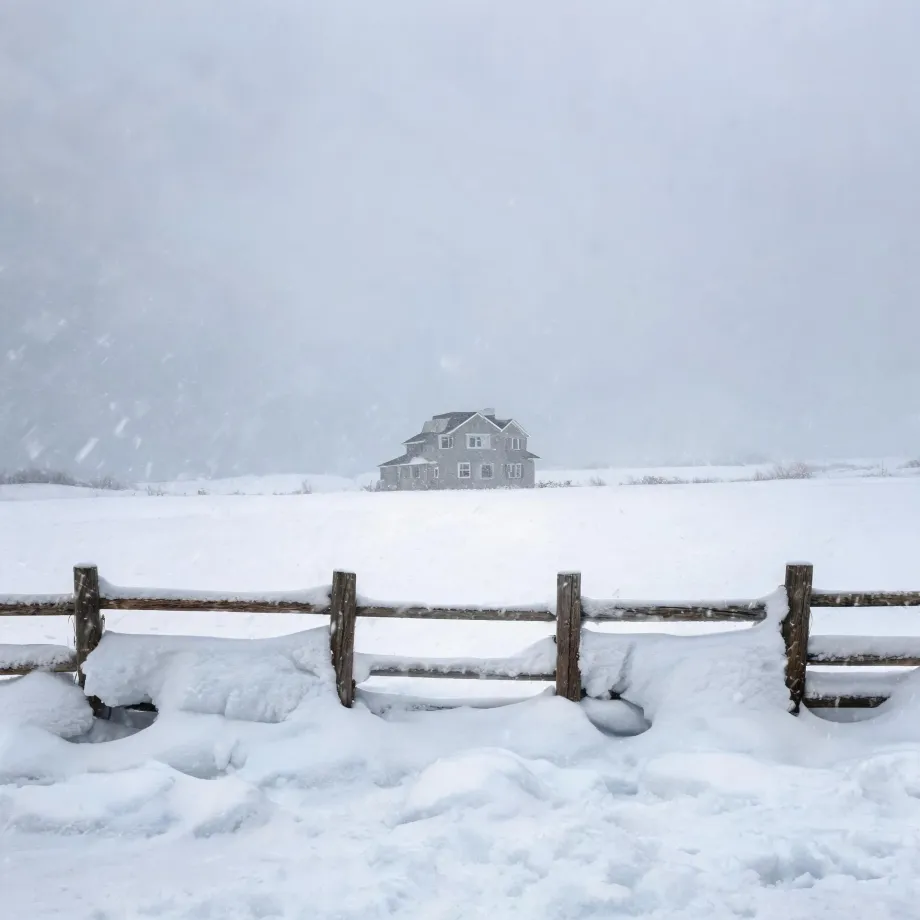
Sizing a heat pump for Ellis County starts with the heating load, not the cooling one. Homes in Ellis County, KS run heat about seven months a year, from October through April. As outdoor temperatures drop toward their winter floor, a heat pump loses capacity, and a unit sized optimistically on paper will lean on its backup heating element to close the gap. That element is not designed to carry a full season. A contractor quoting a replacement here has to work out what the coldest local temperatures actually demand of the refrigeration circuit before landing on equipment specifications.
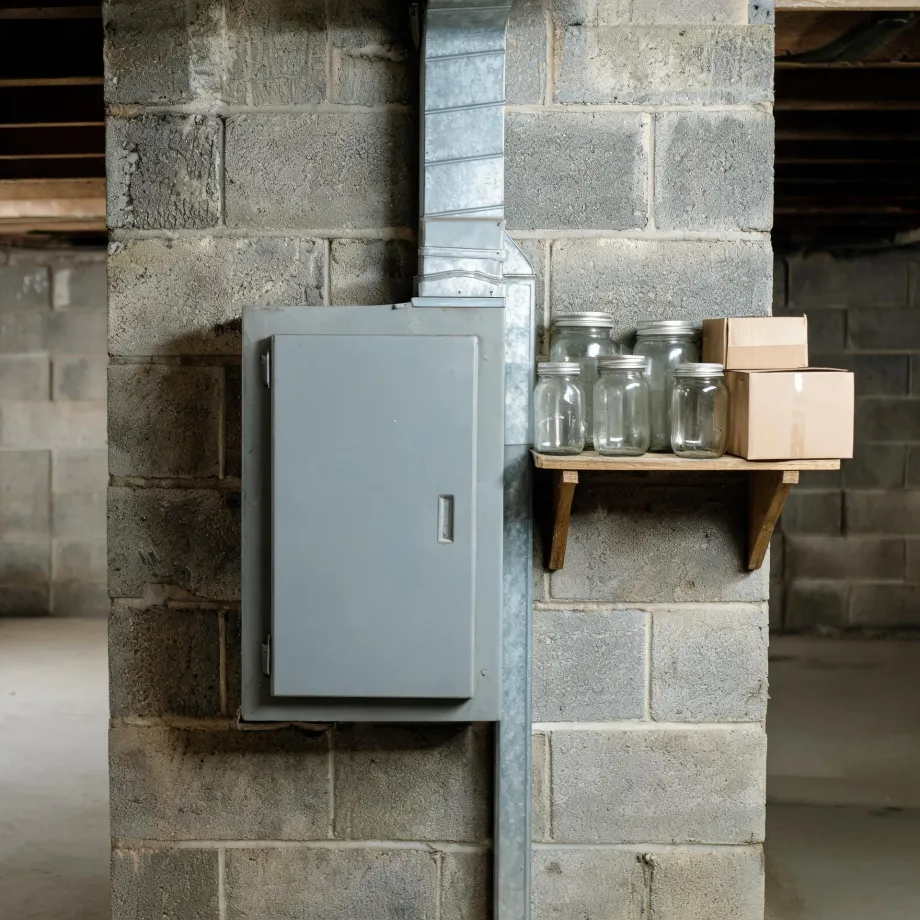
Ductwork laid out for a furnace and central air system does not automatically carry a heat pump well. The routing, the sizing, the register placement: all of it was designed around a different kind of load, and a contractor installing a heat pump here has to assess what is behind the walls before the new unit can be matched and priced. Half the homes in Ellis County, Kansas were built in 1973 or earlier (2020-2024 ACS 5-year). That is the generation of ductwork most of this county holds, and it is what shapes how an installation job gets scoped. Electrical service gets the same look, because heat pump loads differ from what those panels were originally wired for.
What a Heat Pump Installation Covers in Your Home
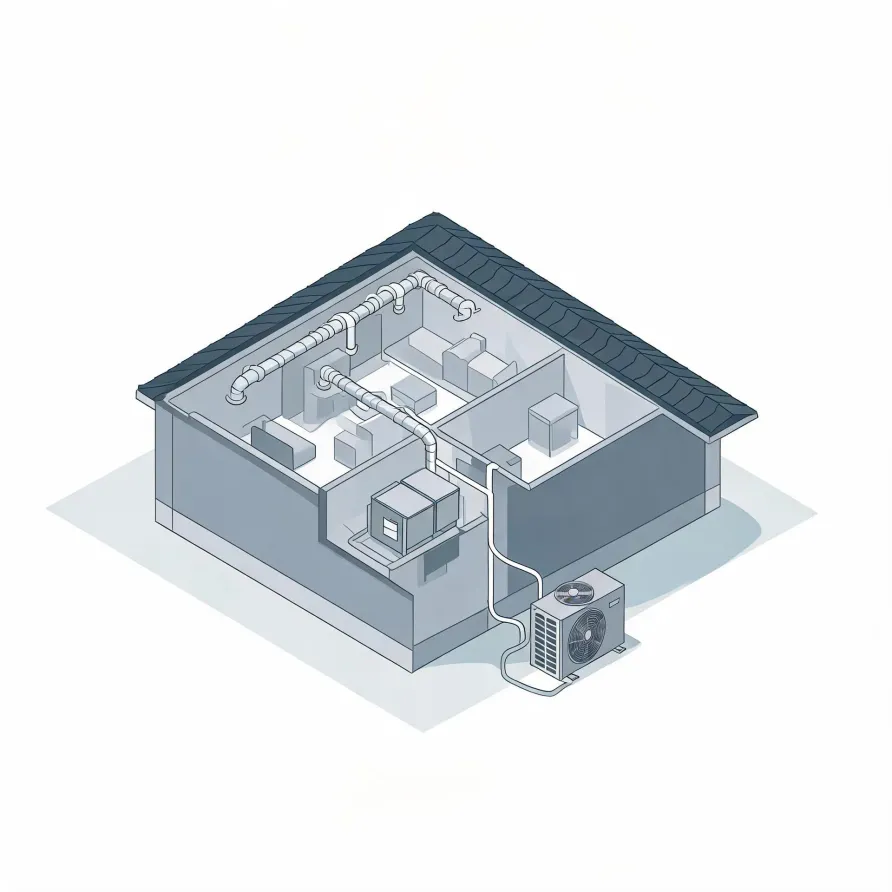
The outdoor unit sits on a pad beside the house and holds the compressor and coil that do the core work of the system. Inside, the air handler mounts in a utility space, attic, or closet and moves conditioned air through the home. Together these two units are what a contractor sets in place.
A refrigerant line set runs between the outdoor and indoor units, connecting them through the wall or floor. A thermostat goes on an interior wall where it reads the home's temperature and tells the system when to run. Some installations also include a supplemental electric resistance element inside the air handler for periods of high heating demand.
The drawing shows a typical layout, and a licensed contractor determines exactly what applies to your house.
Find a contractor in Ellis CountyEllis County, Kansas, by the numbers
315 severe weather events were recorded in Ellis County, Kansas between 2015 and 2024.
NOAA National Centers for Environmental Information, Storm Events Database, bulk CSV export, events 2015-01-01 through 2024-12-31.Half the homes in Ellis County, Kansas were built in 1973 or earlier (2020-2024 ACS 5-year).
U.S. Census Bureau, 2020-2024 American Community Survey 5-Year EstimatesEllis County, Kansas holds 13,287 housing units (2020-2024 ACS 5-year).
U.S. Census Bureau, 2020-2024 American Community Survey 5-Year EstimatesOwners occupy 63.2% of the occupied homes in Ellis County, Kansas (2020-2024 ACS 5-year).
U.S. Census Bureau, 2020-2024 American Community Survey 5-Year EstimatesSevere Weather Events in Ellis County
Kansas weather puts real demands on heating and cooling equipment, and Ellis County gets its share of whatever the plains deliver. A heat pump sized and installed for local conditions handles those swings better than one spec'd for somewhere else.
315 severe weather events, 2015–2024. Source: NOAA National Centers for Environmental Information, Storm Events Database.