Tell us about the job
Takes about a minute. No obligation.
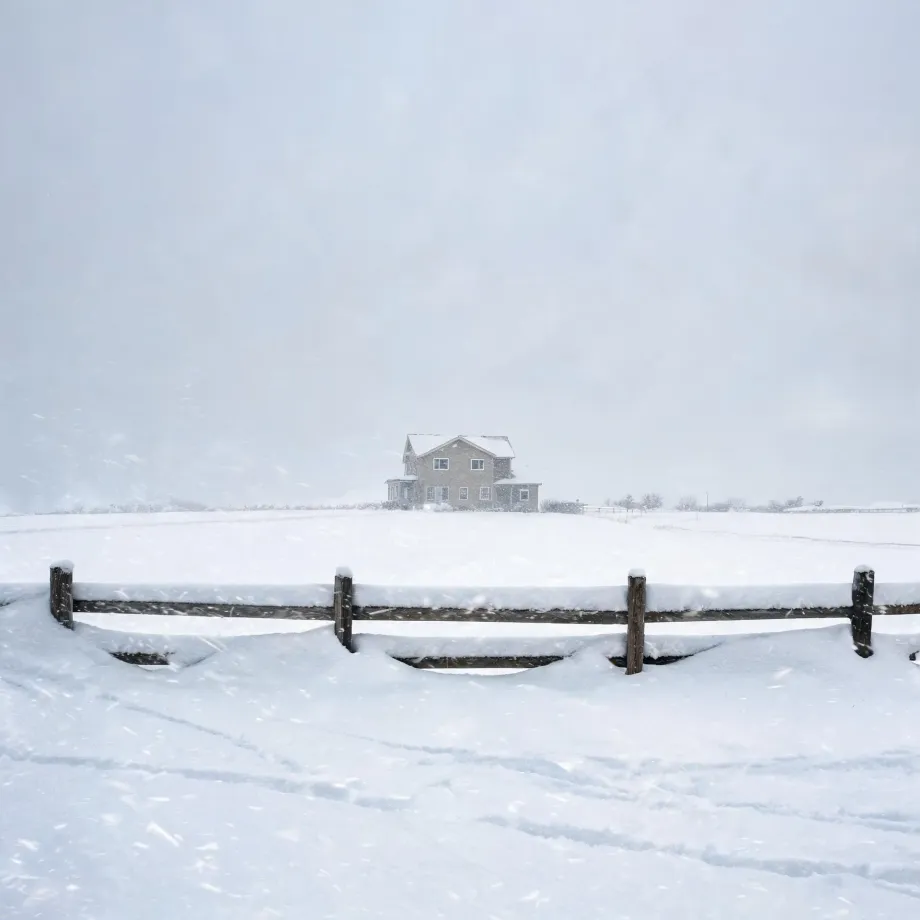
Sizing a heat pump for a Douglas County home is not a calculation a contractor can run from a spec sheet alone. Homes in Douglas County, KS run heat about seven months a year, from October through April. As outdoor temperatures fall through January and February, a heat pump moves less heat per unit of energy, and the gap between what the equipment can deliver and what the house needs is where the sizing decision lives. A contractor who skips a room-by-room load calculation leaves that gap unresolved, and the back-up heat strip ends up running far more than it should.
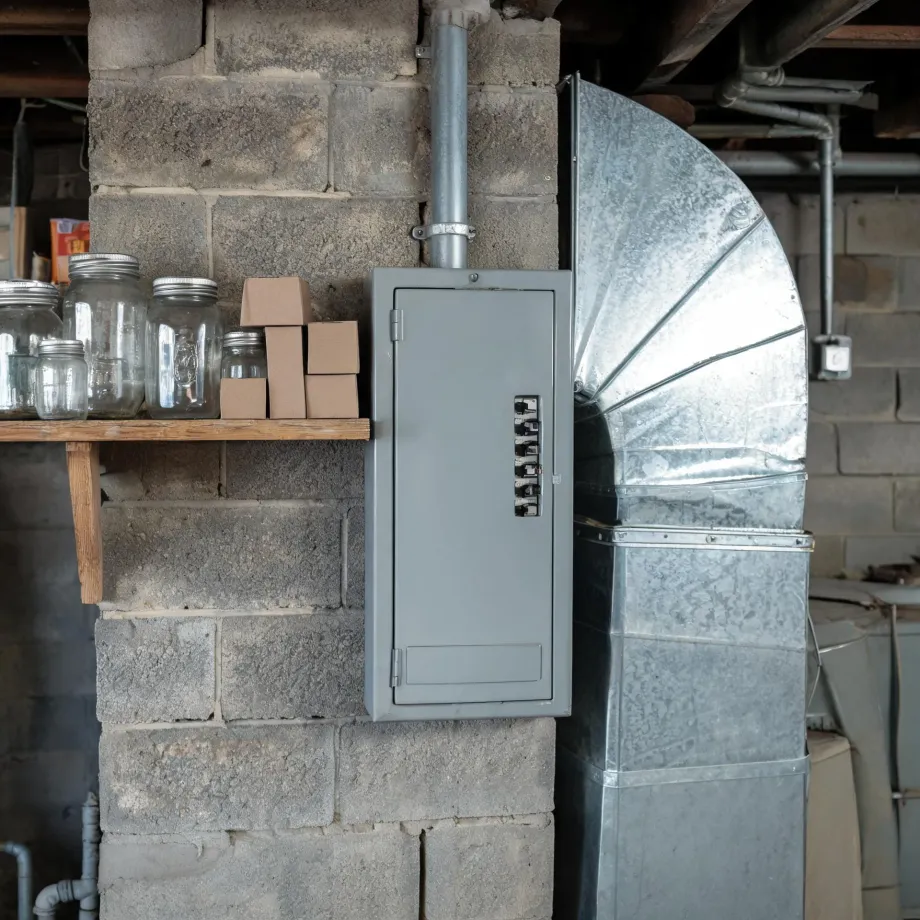
Ductwork sized for a different system shapes what a heat pump installation actually costs here. Half the homes in Douglas County, Kansas were built in 1988 or earlier (2020-2024 ACS 5-year). A contractor putting in new equipment has to establish whether the existing runs, returns, and registers will carry the airflow a heat pump demands, and whether the electrical service will handle the load. Those are not formalities. If the duct layout is wrong for the new unit, the scope of work shifts well before any equipment is ordered.
What a Heat Pump Installation Covers
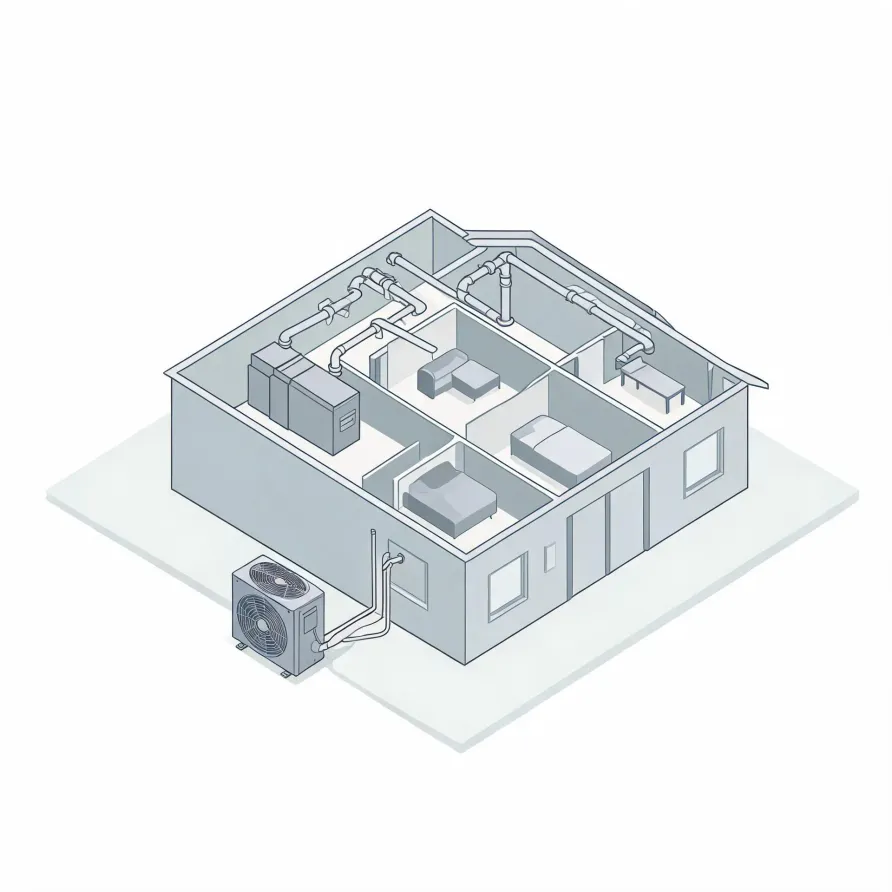
The outdoor unit sits on a pad beside the house and holds the compressor and coil that do the core work of the system. Inside, the air handler mounts in a utility space, attic, or closet and moves conditioned air through the home. These two units are what a new installation puts in place.
A refrigerant line set runs between the outdoor unit and the air handler, carrying the charge that lets the two sides work together. A thermostat goes on an interior wall where it can read the living space and signal the system to run.
The drawing shows a typical layout, and a licensed contractor determines exactly what fits this house and how the installation comes together.
Find a contractor in Douglas CountyDouglas County, Kansas, by the numbers
208 severe weather events were recorded in Douglas County, Kansas between 2015 and 2024.
NOAA National Centers for Environmental Information, Storm Events Database, bulk CSV export, events 2015-01-01 through 2024-12-31.Half the homes in Douglas County, Kansas were built in 1988 or earlier (2020-2024 ACS 5-year).
U.S. Census Bureau, 2020-2024 American Community Survey 5-Year EstimatesDouglas County, Kansas holds 53,675 housing units (2020-2024 ACS 5-year).
U.S. Census Bureau, 2020-2024 American Community Survey 5-Year EstimatesOwners occupy 50.1% of the occupied homes in Douglas County, Kansas (2020-2024 ACS 5-year).
U.S. Census Bureau, 2020-2024 American Community Survey 5-Year EstimatesWeather Stress on HVAC Equipment in Douglas County
Heating and cooling loads are not uniform across the country. What the climate does in this part of Kansas shapes how hard a heat pump has to work and how it should be sized and installed.
208 severe weather events, 2015–2024. Source: NOAA National Centers for Environmental Information, Storm Events Database.