Tell us about the job
Takes about a minute. No obligation.
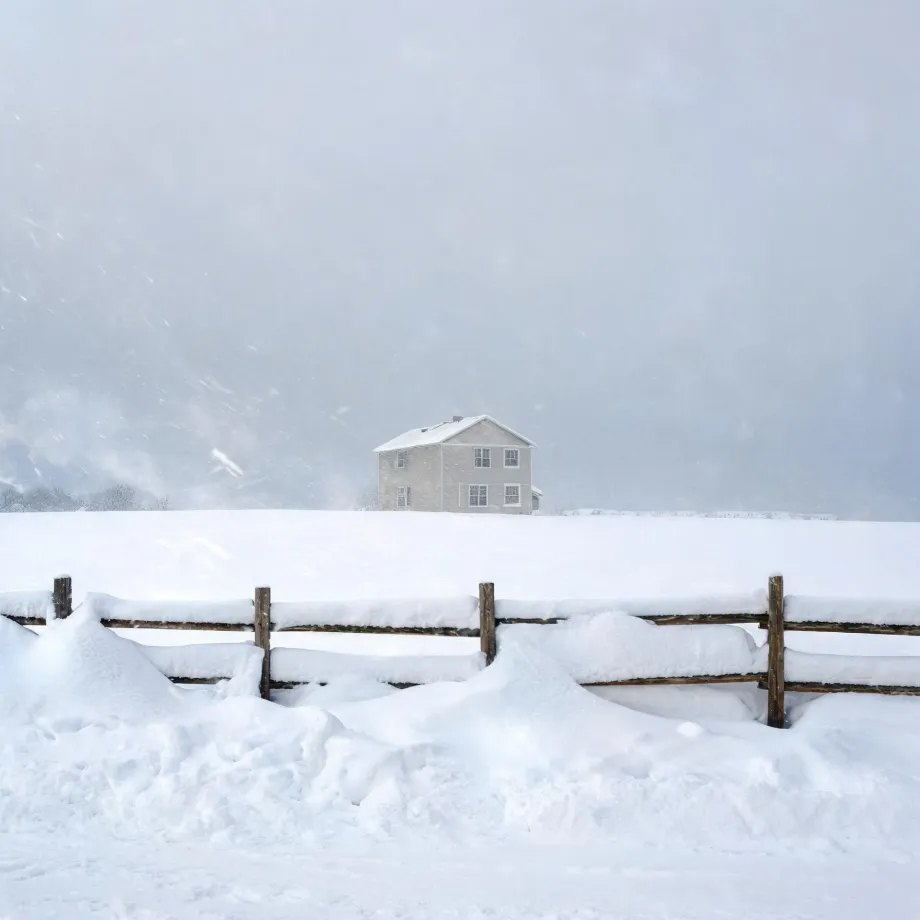
Sizing a heat pump in Wichita County is a local calculation, not a catalog lookup. Homes in Wichita County, KS run heat about eight months a year, from October through May. As outdoor temperatures drop in those winter months, a heat pump's heating capacity drops with them, which means a unit that tests fine on a mild day in October may fall short in February when the house needs it most. The contractor has to work out where that crossover point sits for this house and decide what backup heat covers the gap. Get that sizing wrong at installation and the backup runs constantly, adding to operating costs from the first cold snap.
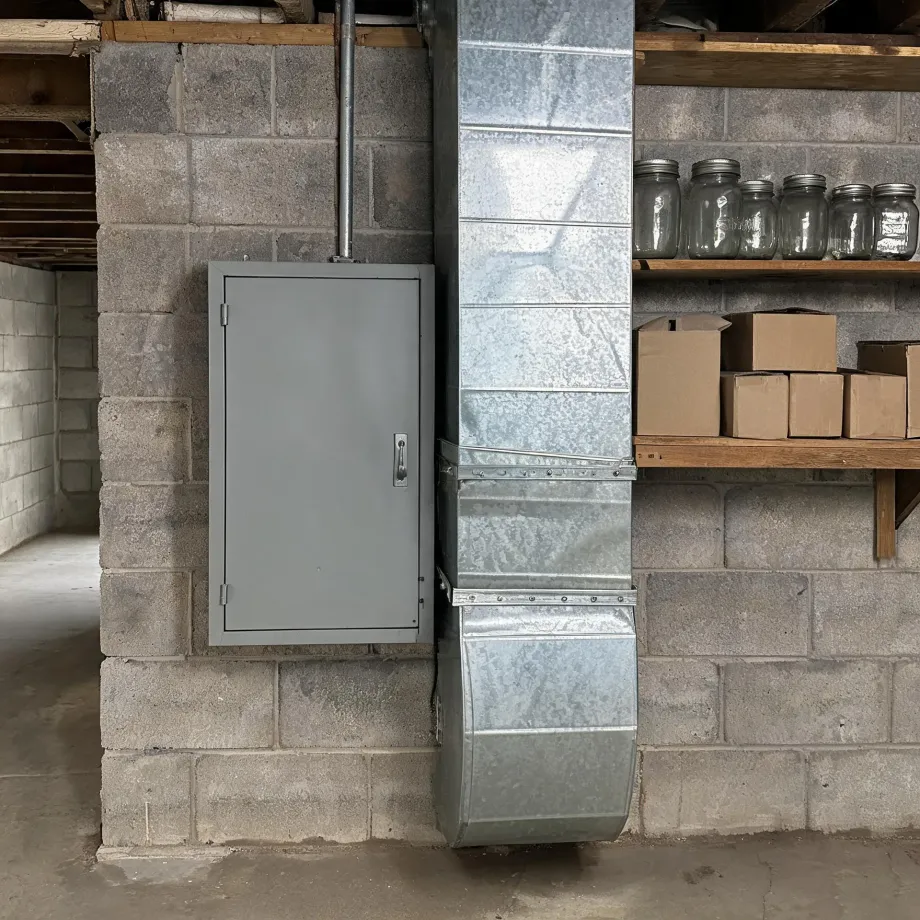
Ductwork laid in for one system and inherited by the next is what shapes a heat pump installation in Wichita County. Half the homes in Wichita County, Kansas were built in 1966 or earlier (2020-2024 ACS 5-year). That puts a large share of the local housing stock in a range where duct runs, trunk sizing, and existing penetrations reflect decisions made for equipment that is no longer in the house. A contractor will open registers, check static pressure, and trace the main trunks before the equipment choice is settled, because what those passages can carry sets the boundary on what will actually work.
What a Heat Pump Installation Covers
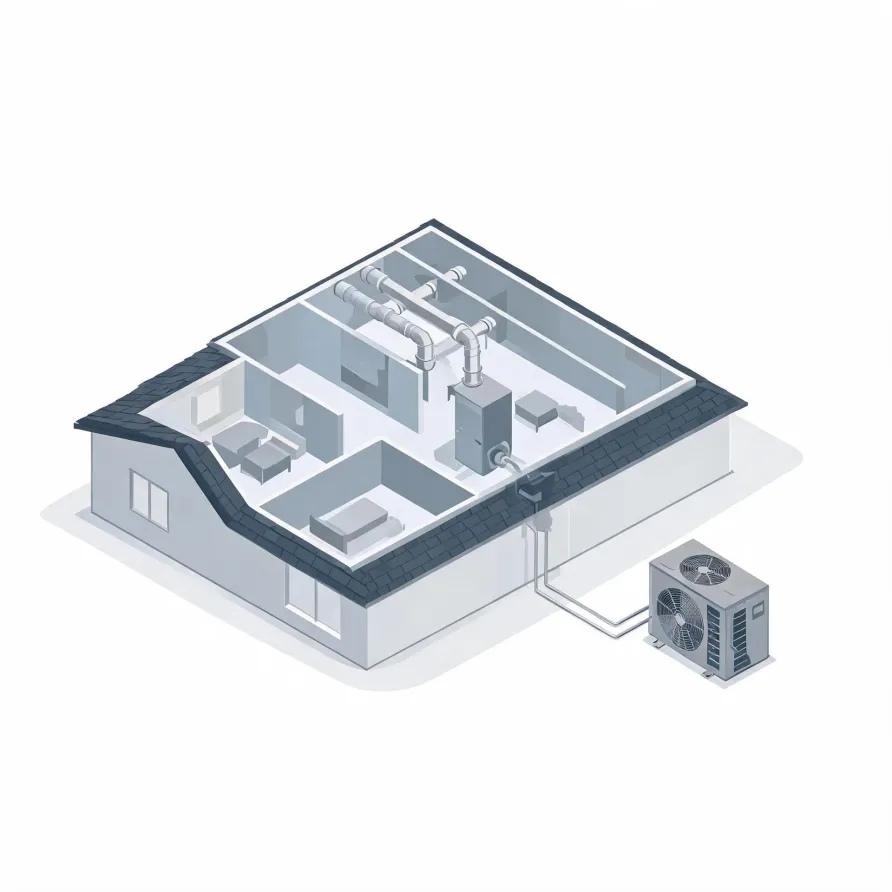
The outdoor unit sits on a pad beside the house and holds the compressor and the coil that pulls heat from the outside air. The indoor air handler mounts inside, usually in a closet, utility room, or attic, and pushes conditioned air through the home. Together these two units do the system's main work.
A refrigerant line set runs between the two units, carrying the working fluid back and forth through insulated copper tubing. A thermostat mounts on an interior wall and gives the homeowner control over the system. A condensate drain line runs from the air handler to carry away any moisture the unit pulls from indoor air.
The drawing shows a typical layout, and a licensed contractor determines what applies to your specific house and its existing setup.
Find a contractor in Wichita CountyWichita County, Kansas, by the numbers
176 severe weather events were recorded in Wichita County, Kansas between 2015 and 2024.
NOAA National Centers for Environmental Information, Storm Events Database, bulk CSV export, events 2015-01-01 through 2024-12-31.Half the homes in Wichita County, Kansas were built in 1966 or earlier (2020-2024 ACS 5-year).
U.S. Census Bureau, 2020-2024 American Community Survey 5-Year EstimatesWichita County, Kansas holds 920 housing units (2020-2024 ACS 5-year).
U.S. Census Bureau, 2020-2024 American Community Survey 5-Year EstimatesOwners occupy 78.0% of the occupied homes in Wichita County, Kansas (2020-2024 ACS 5-year).
U.S. Census Bureau, 2020-2024 American Community Survey 5-Year EstimatesSevere Weather Events in Wichita County
Weather in this part of Kansas puts real demands on heating and cooling equipment, and those demands shape what a heat pump here has to handle year after year. Knowing the local pattern is part of choosing and installing equipment that holds up to it.
176 severe weather events, 2015–2024. Source: NOAA National Centers for Environmental Information, Storm Events Database.