Tell us about the job
Takes about a minute. No obligation.
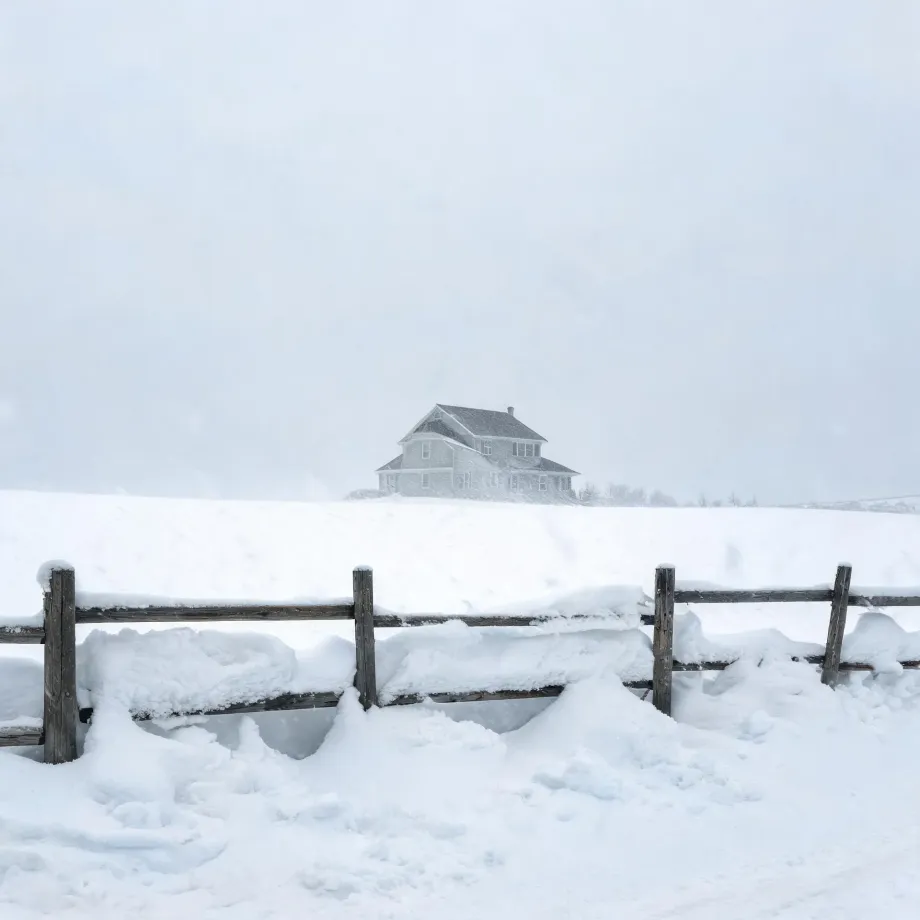
A contractor quoting a heat pump installation in Pratt County has to settle the backup heat question before anything else, because a heat pump's capacity drops as outdoor temperatures fall and the heating load is the long, hard part of the year here. Homes in Pratt County, KS run heat about seven months a year, from October through April. The compressor and reversing valve carry the bulk of that load, and the sizing calculation has to account for the coldest stretches, not just the average. A unit that is undersized leans on its electric resistance strips to fill the gap, and those strips are expensive to run. Getting that calculation right at install is what decides how the system performs across every heating season it runs.
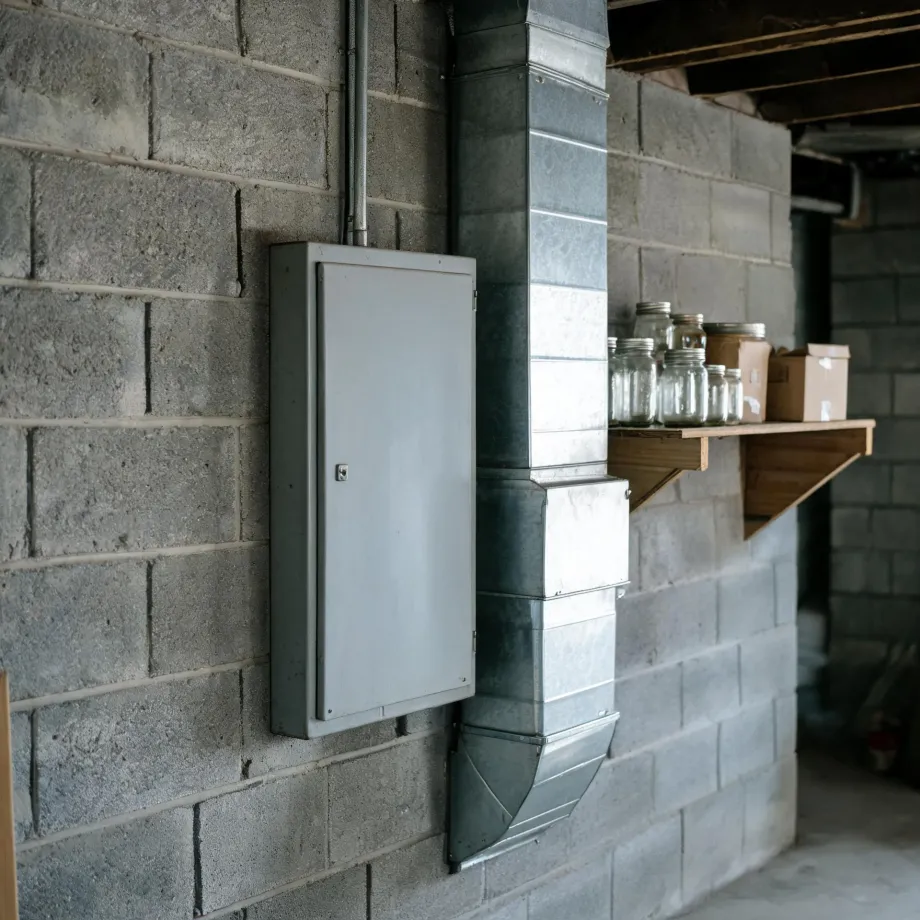
Ductwork laid out for an older system often moves air the way that system demanded, not the way a heat pump does. Half the homes in Pratt County, Kansas were built in 1956 or earlier (2020-2024 ACS 5-year). A contractor quoting a heat pump install here has to walk the existing duct runs, check their size and condition, and decide whether the distribution can handle the new equipment before the unit itself is ever priced. If it cannot, the duct work becomes part of the job. That is the variable that separates a straightforward swap from a larger project in this county's housing stock.
What a Heat Pump Installation Covers
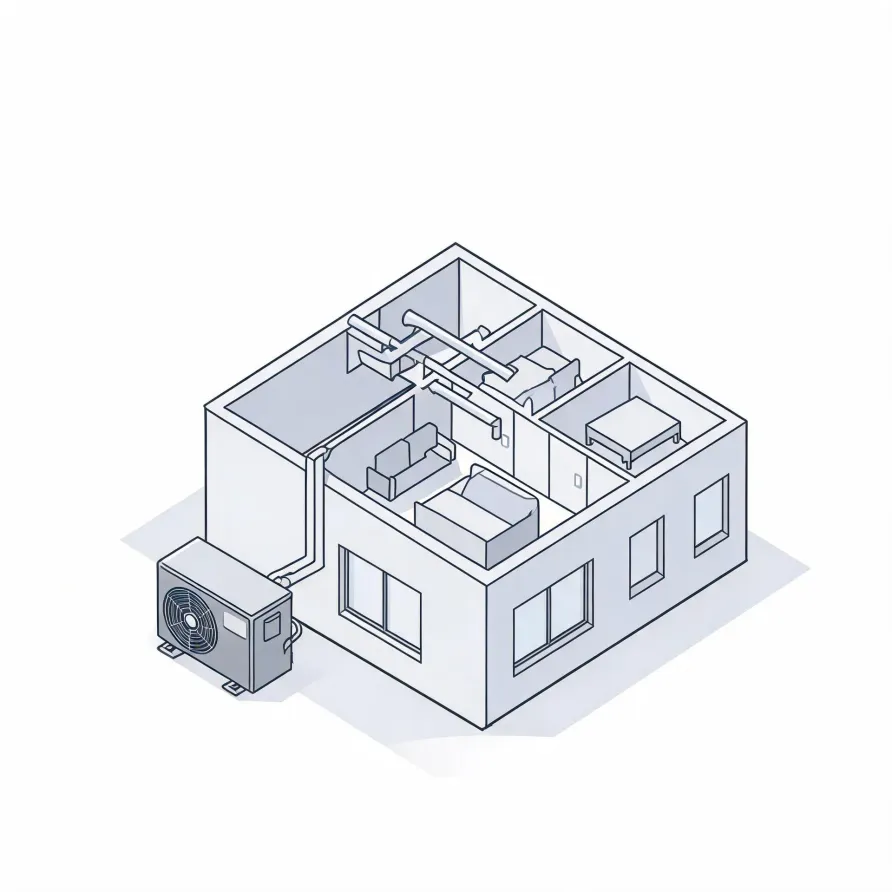
The outdoor unit sits on a pad or wall bracket outside the house and holds the compressor and coil that do the heavy lifting. Inside, an air handler or indoor unit mounts in a utility space, closet, or attic and moves conditioned air through the home. These two units are the core of what a contractor puts in place.
A refrigerant line set runs between the outdoor and indoor units, connecting them through an exterior wall, and a condensate drain line carries moisture away from the indoor unit. A thermostat mounts on an interior wall and gives the homeowner control over the whole system.
The drawing shows a representative layout, and a licensed contractor determines what the installation looks like for this particular house.
Find a contractor in Pratt CountyPratt County, Kansas, by the numbers
158 severe weather events were recorded in Pratt County, Kansas between 2015 and 2024.
NOAA National Centers for Environmental Information, Storm Events Database, bulk CSV export, events 2015-01-01 through 2024-12-31.Half the homes in Pratt County, Kansas were built in 1956 or earlier (2020-2024 ACS 5-year).
U.S. Census Bureau, 2020-2024 American Community Survey 5-Year EstimatesPratt County, Kansas holds 4,364 housing units (2020-2024 ACS 5-year).
U.S. Census Bureau, 2020-2024 American Community Survey 5-Year EstimatesOwners occupy 73.2% of the occupied homes in Pratt County, Kansas (2020-2024 ACS 5-year).
U.S. Census Bureau, 2020-2024 American Community Survey 5-Year EstimatesSevere Weather Events in Pratt County
Kansas weather puts real demands on heating and cooling equipment, and those demands vary by where you are. A heat pump sized and installed for local conditions handles them better than one specified against a generic load.
158 severe weather events, 2015–2024. Source: NOAA National Centers for Environmental Information, Storm Events Database.