Tell us about the job
Takes about a minute. No obligation.
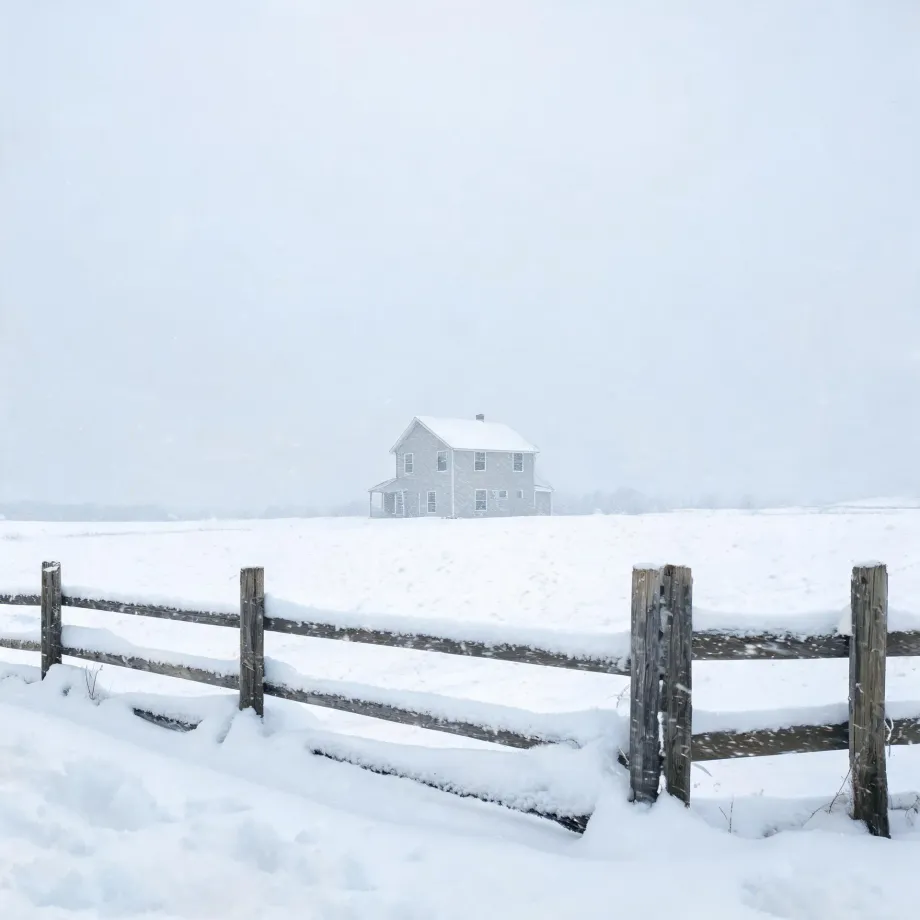
Sizing a heat pump for Sumner County starts with what the coldest months actually demand, because a heat pump loses capacity as outdoor temperatures drop and the backup heat has to carry what the compressor cannot. Homes in Sumner County, KS run heat about seven months a year, from October through April. The compressor cycles through that entire stretch, and an undersized unit leans on resistance backup strips through the hardest weeks, running them hard enough that the efficiency advantage of the heat pump erodes. A contractor quoting the job here has to run a real load calculation, not pull a unit size from the square footage of the house.
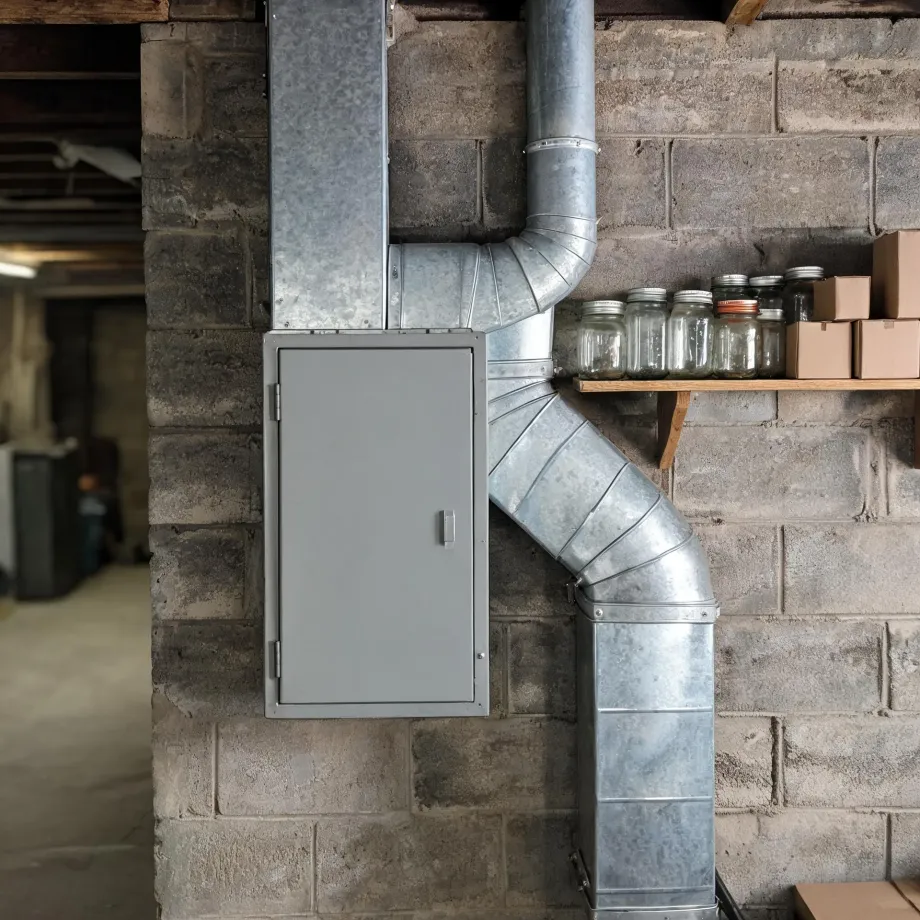
Ductwork sized and routed for older forced-air systems often moves air differently than a heat pump needs. Half the homes in Sumner County, Kansas were built in 1962 or earlier (2020-2024 ACS 5-year). That gap between what the house was built for and what a heat pump requires is where most of the real installation work lives. A contractor will assess the existing duct layout and the electrical service before anything else, because both were designed around loads that a modern heat pump does not match.
What Gets Installed With a New Heat Pump
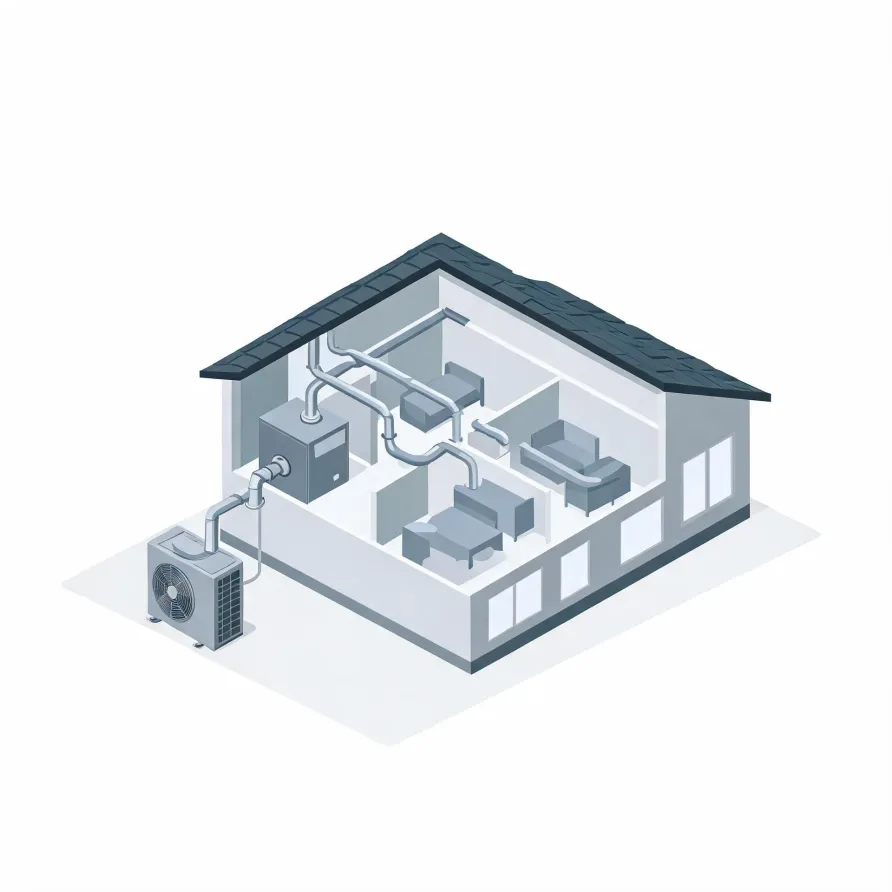
The outdoor unit is the piece a homeowner sees first, mounted on a pad beside the house, and it holds the compressor and the coil that exchange heat with the outside air. Inside, an air handler sits in a utility closet, basement, or attic and moves conditioned air through the home.
A refrigerant line set runs between the two units, carrying the working fluid back and forth through insulated copper tubing. A thermostat goes on an interior wall where it reads the home's temperature and tells the system when to run.
The drawing shows a typical layout, and a licensed contractor determines exactly how each piece fits your house.
Find a contractor in Sumner CountySumner County, Kansas, by the numbers
134 severe weather events were recorded in Sumner County, Kansas between 2015 and 2024.
NOAA National Centers for Environmental Information, Storm Events Database, bulk CSV export, events 2015-01-01 through 2024-12-31.Half the homes in Sumner County, Kansas were built in 1962 or earlier (2020-2024 ACS 5-year).
U.S. Census Bureau, 2020-2024 American Community Survey 5-Year EstimatesSumner County, Kansas holds 10,414 housing units (2020-2024 ACS 5-year).
U.S. Census Bureau, 2020-2024 American Community Survey 5-Year EstimatesOwners occupy 75.1% of the occupied homes in Sumner County, Kansas (2020-2024 ACS 5-year).
U.S. Census Bureau, 2020-2024 American Community Survey 5-Year EstimatesSevere Weather Events in Sumner County
Heat pumps in Sumner County work against whatever the local climate throws at them, and the workload varies more than most homeowners expect. Sizing and installation decisions that ignore local weather patterns can leave a system straining when it matters most.
134 severe weather events, 2015–2024. Source: NOAA National Centers for Environmental Information, Storm Events Database.