


Heat pump not cooling in Garden City, KS

Get matched with a pro who fixes heat pumps in Finney County.

Find a pro near me

A heat pump that won't cool in Garden City usually comes down to one of a few things: a dirty outdoor coil that can't shed heat, a low refrigerant charge, a failed reversing valve stuck in heating mode, or a capacitor too weak to keep the compressor running. The reversing valve is worth a second look here. It switches the system between heating and cooling, and after a hard Finney County winter, it's not unusual for one to stick on the heating side once the weather turns warm. If the outdoor unit is running but the air inside is warm or barely cool, that valve or a low charge are the likely culprits. If the unit won't run at all, the problem is more likely electrical, a bad capacitor or a tripped breaker. Either way, the fix needs someone who can test the charge and the valve directly rather than guess. Running it as is won't cool your home and can wear down the compressor faster.

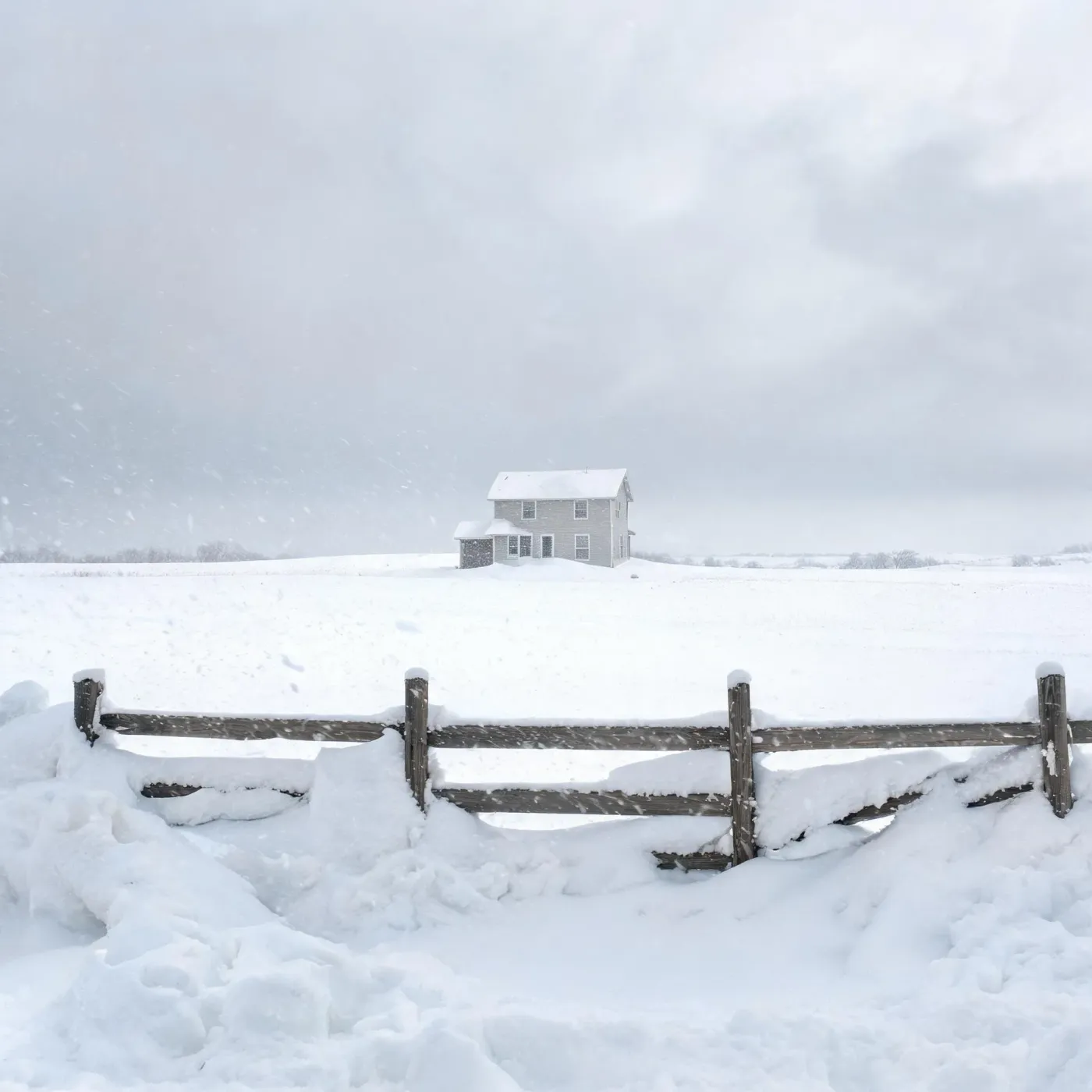
A two-story light-colored house with a gabled roof stands alone on a snow-covered field under an overcast sky, with a weathered wooden post-and-rail fence half-buried in snow drifts in the foreground.

Winter nights here average 20°F across December, January and February, according to Finney County weather records. That cold is hard on a heat pump's reversing valve, the part that switches it between heating and cooling. A valve that's been pushed hard all winter can stick, and when summer comes it may leave the system stuck in heating mode instead of cooling your house. If your heat pump is blowing warm air now, this is one reason, and it usually traces back to how it spent the winter.

NOAA nClimDiv 1991-2020

Is your heat pump running but not cooling the house

You turn it on and the outdoor unit is running, air is coming out of the vents, but it's not cold, maybe even warm. Some rooms stay hot no matter how long it runs. The outdoor unit might be caked with grass clippings or cottonwood fluff, or you hear it clicking on and off instead of settling into a steady run. Sometimes there's a hiss near the lines, or the indoor coil ices over and you see water pooling near the air handler. Left alone, a compressor that keeps struggling to start can burn out, turning a repair into a full replacement. In Garden City's summer heat, a house that won't cool down stays uncomfortable for days, not hours.

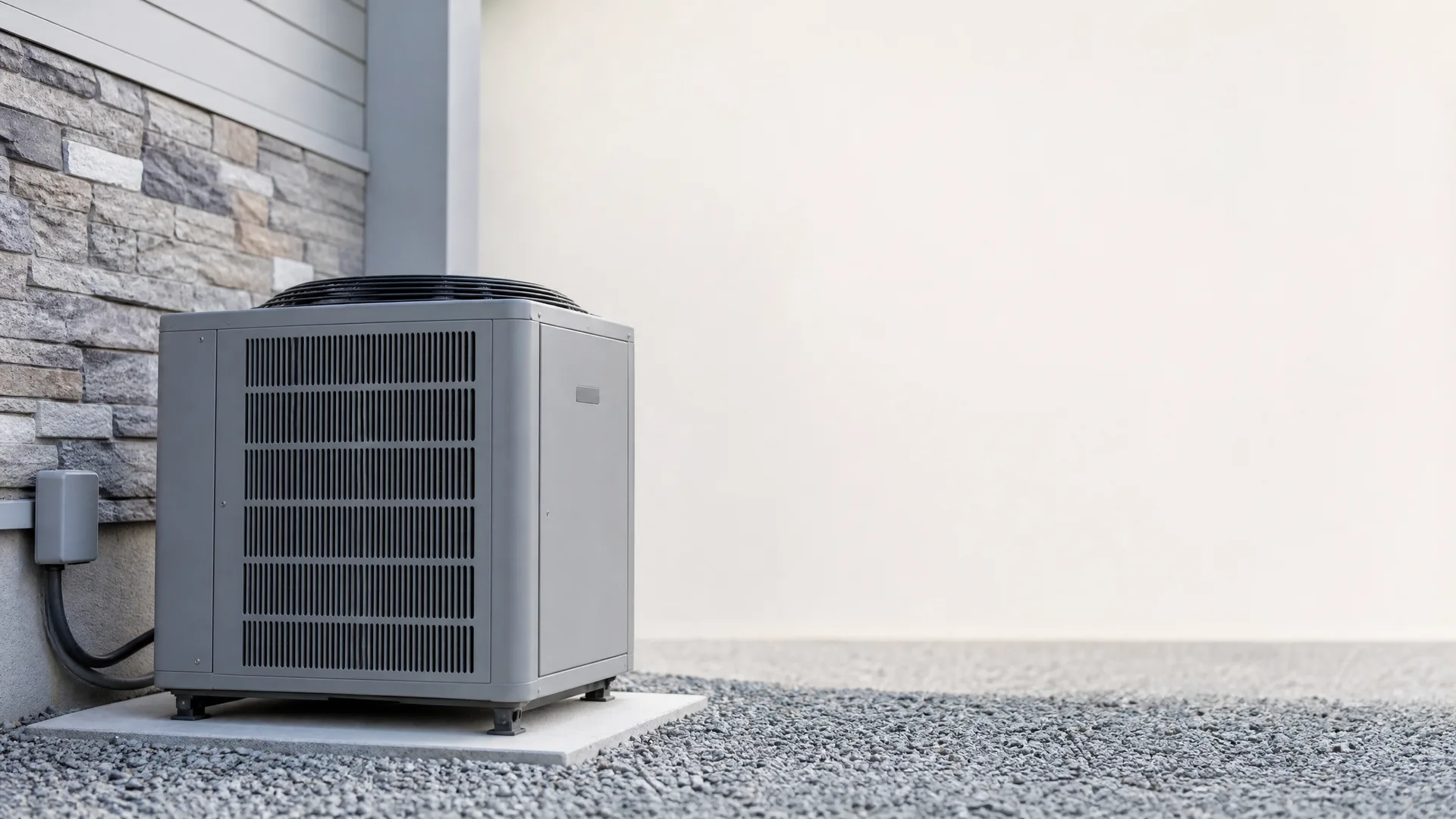
A gray outdoor condenser unit on a concrete pad beside a house with stacked stone and horizontal siding, surrounded by gray gravel and a plain light wall.

Reversing valve stuck in heating mode

After a hard winter, the reversing valve can stick in the position it used most. That sends the system into heating logic even with the thermostat set to cool, so the outdoor unit runs but the air coming out stays warm. This isn't something to force by cycling the thermostat. A stuck valve needs a contractor who can test it and confirm whether it's the valve itself or the solenoid that moves it.

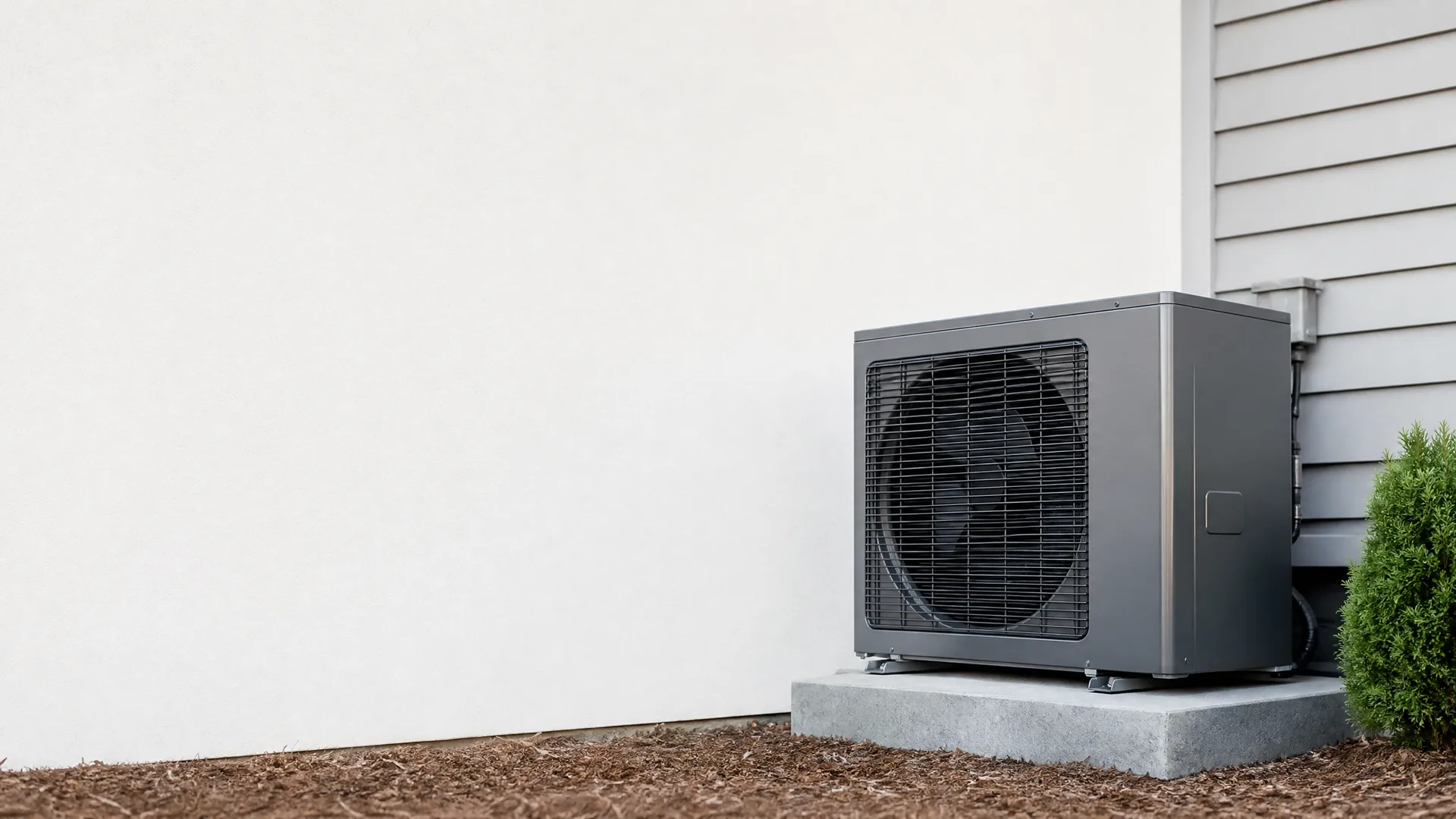
A dark gray outdoor heat pump unit sits on a concrete pad beside a white stucco wall and lap-sided house corner, with mulch and a small shrub in the foreground.

Low charge or a dirty coil

A heat pump low on refrigerant can't pull enough heat out of the house, so it runs long and never gets cold. A coil caked with dirt or dead grass does the same thing from the outside, since the outdoor unit can't shed the heat it's collected. Both look the same from indoors: a system that runs and runs. A contractor can check the charge and clean the coil to see which one's the cause, or if it's both.

Winter nights average 20°F

At 20°F, that reversing valve sits in heating mode night after night for three straight months. Every spring it has to switch back and hold that new position under a full cooling load, and a valve that won't fully seat is why the air stays warm.

NOAA nClimDiv 1991-2020

A gray outdoor heat pump unit with a large fan grille sits on a concrete pad beside a house with horizontal lap siding, next to a green shrub, mulch bed, and lawn.

Coil clear, airflow strong

This is what a heat pump should look like going into summer. The coil is clean, the fins aren't packed with cottonwood or mulch, and air moves through it the way it's built to. A unit kept clear like this sheds heat the way it should and holds its charge without straining the compressor.


A weathered outdoor condenser unit on a concrete pad beside a house with white horizontal vinyl siding, with refrigerant lines and conduit running to a wall-mounted electrical box.

Grime-caked and straining

Grime like this across the grilles blocks the airflow the coil needs to release heat. A heat pump working this hard to breathe will run long and still leave the house warm. Refrigerant lines caked in dirt are also harder to inspect for the slow leaks that drop a system's charge.

A gray-haired man in a dark long-sleeve shirt sits on a gray sofa in a living room, looking toward a sunlit window with sheer curtains.
A gray-haired man in a dark green sweatshirt sits on a sofa in a living room, looking toward a bright window, with a houseplant, lamp, fireplace and framed art behind him.
A gray-haired bearded man in a dark green collared sweater sits on a sofa in a living room with a window, houseplant, floor lamp and bookshelves, looking off to the side.
A gray-haired man in a dark green sweater sits on a sofa in a sunlit living room, looking off to the side, with a framed landscape painting, dining table and shelving behind him.

Matched to your heat pump job

A reversing valve that spent three months of 20°F nights stuck in heating mode doesn't always free itself up just because the thermostat gets flipped to cool. Sometimes it seats fine and the real problem is a coil packed with cottonwood, or a capacitor that's worn past the point of keeping the compressor running steady. Figuring out which one you've got from a dry front yard in Garden City isn't something to guess at, and a system left running while it's stuck in the wrong mode can wear on the compressor. A contractor who works on heat pumps through Finney County's winters knows which of these a system is most likely to be fighting after a season like the one just passed, and can check the valve, the coil and the capacitor without you needing to know which one to ask about first. Hand off what you're seeing now and let someone local who handles this every spring take it from there.

Where this leaves you

  • A heat pump that runs but won't cool usually traces back to the coil, the charge, the reversing valve, or the capacitor.
  • Garden City's cold nights, averaging 20°F through December, January and February, put real strain on the reversing valve every winter.
  • A coil caked with cottonwood or mulch can't shed heat no matter how long the outdoor unit runs.
  • Checking the charge and testing a stuck valve calls for gauges and training, not guesswork at the thermostat.
  • A local contractor who works on these systems every season in Finney County knows which of these four usually turns out to be the cause.
  • One contractor takes the call, so you're not fielding quotes from several companies before anyone looks at the unit.

The outdoor unit is running and the air still isn't cold. By now you know the short list of why: a coil that can't shed heat, a charge that's dropped, a reversing valve that won't seat after a winter of holding heating mode, or a capacitor too weak to keep the compressor going. Garden City's cold nights, 20°F on average through December, January and February, are hard on that valve in particular, and three months of sitting in one position is why so many of these calls come down to it. A dirty coil is the one thing you can check yourself by looking. The rest, the charge, the valve, the capacitor, need gauges and a meter, not a guess based on how long you let the thermostat run.

What happens next is a contractor who works on heat pumps in Finney County all year gets the call, not three or four companies bidding on it. Someone who's been through this with other units in this area after a winter like the last one already has an idea of what they'll find before they pull the panel off. That's worth more than another set of hands who's never seen how a reversing valve here behaves after a season of 20°F nights. You get matched with one contractor, local, licensed to do the work, and they'll reach out to you directly. No guessing which of the four it is, no waiting on multiple callbacks to compare. Just someone who knows this equipment and this place looking at your unit.

A modern two-story house with dark siding and stone base at dusk, with lit soffit lights, a path of large rectangular pavers set in dark gravel, planting beds, a lawn, and an orange and blue sunset sky above distant trees and water.

Heat Pump Repair

A heat pump pro near you

Step 1 of 3: Equipment
  • A beige upholstered armchair with an olive cushion sits in a sunlit corner beside a wooden side table holding a ceramic vase with leafy branches, under a framed abstract artwork, on a woven rug over a wood floor.
    • Get matched with someone who does this kind of work in Finney County.
    • Get matched with a pro who works on heat pumps in Finney County.
  • A gray outdoor condenser unit on a concrete pad surrounded by dark gravel, beside a dark wood-sided wall with an electrical disconnect box and a stone veneer wall with a small evergreen shrub.
    • After you send the request, you're done searching.
    • Send the request today and stop worrying about who to call.
  • A beige upholstered oversized armchair with a matching cushion and a knit throw draped over one arm, beside a round wooden side table holding a vase of greenery near a curtained window, with a framed landscape print on the wall and a woven rug on a wood floor.
    • Fill out one short form instead of calling around.
    • Explain the job once and skip repeating it on every call.
  • Sunlit living room corner with a beige upholstered sofa, cushion and knitted throw, a round wooden side table holding a white ceramic vase of leafy branches and a small wooden bowl, a framed landscape painting on the wall, and a window at right.
    • A licensed pro who works in Finney County gets your request.
    • Your request stays with one local pro.







