Tell us about the job
Takes about a minute. No obligation.
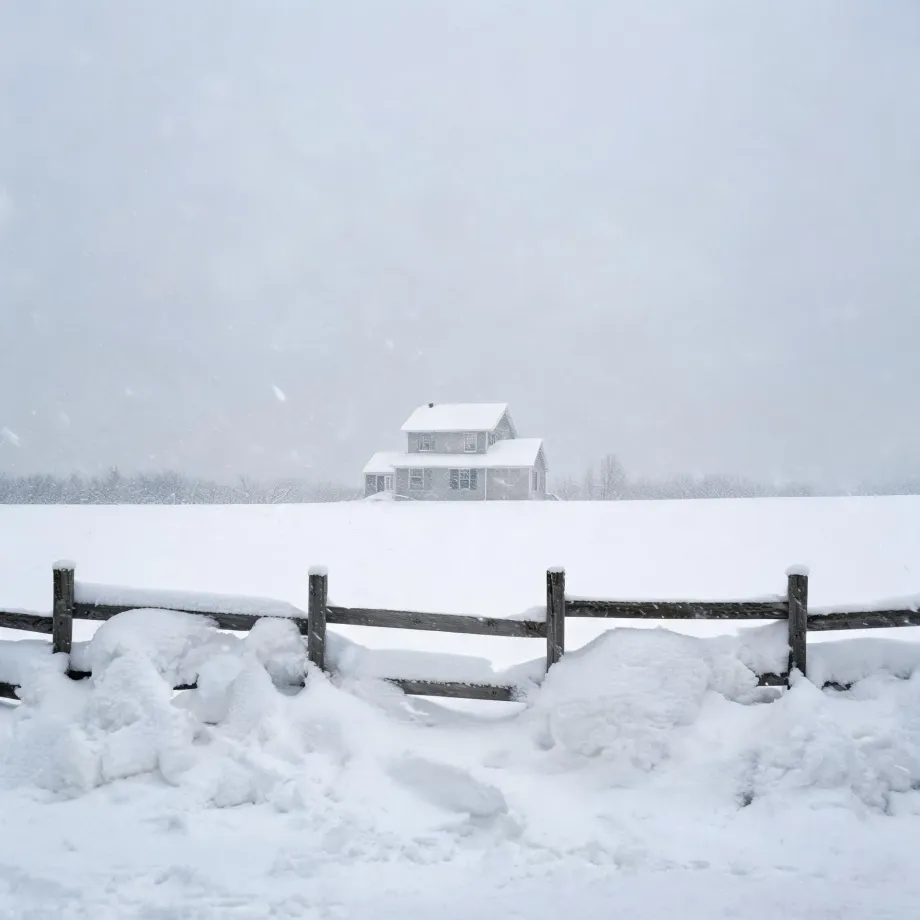
A heat pump that heats through a hard Kansas winter puts its reversing valve, refrigerant circuit, and defrost controls under the kind of steady load that separates a well-sized system from a poorly sized one. Homes in Comanche County, KS run heat about seven months a year, from October through April. When a contractor pulls up a heat pump for repair here, the defrost board and the low-ambient pressure readings carry the story of those months. A system that was undersized at install runs longer cycles to meet demand, and the compressor shows it in the valve seats and the contactor contacts long before the refrigerant charge becomes the issue.
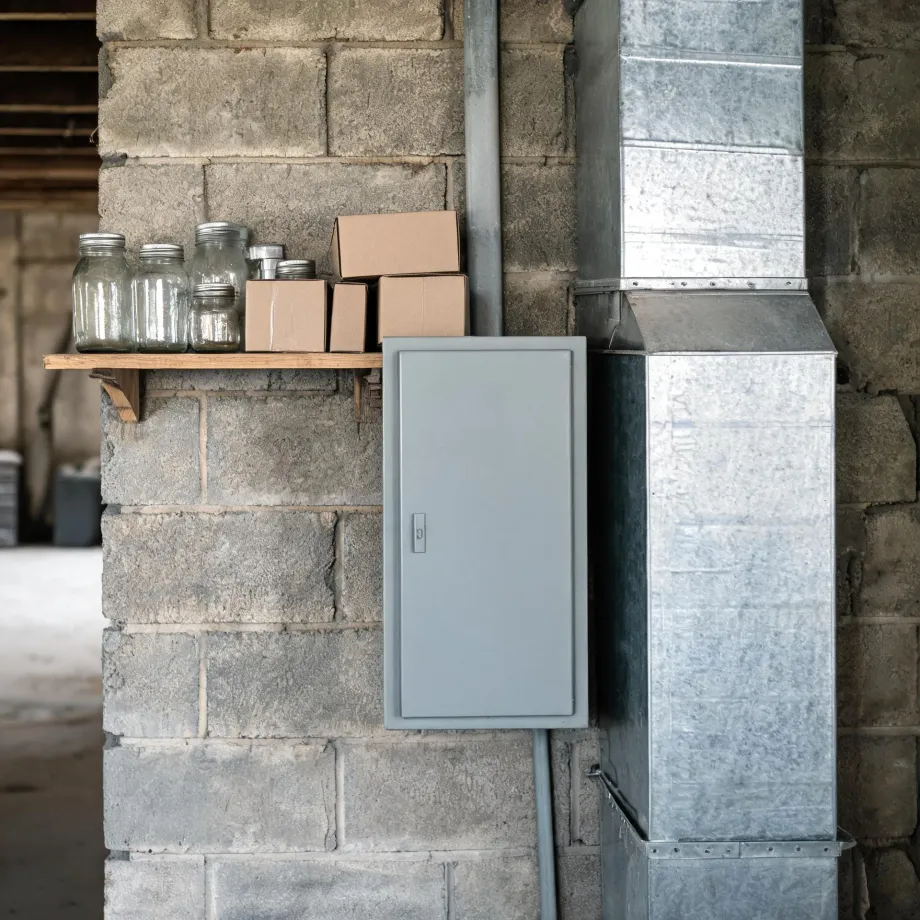
Much of the housing here was already old when heat pumps became common. Half the homes in Comanche County, Kansas were built in 1947 or earlier (2020-2024 ACS 5-year). A refrigerant circuit or control board in a system serving a house of that vintage can call for components that manufacturers stopped producing years ago, and a contractor opening the unit will know quickly whether a standard repair is on the table or a sourcing problem is. That distinction produces a different scope and a different timeline for the job.
The Parts of a Heat Pump a Contractor Checks First
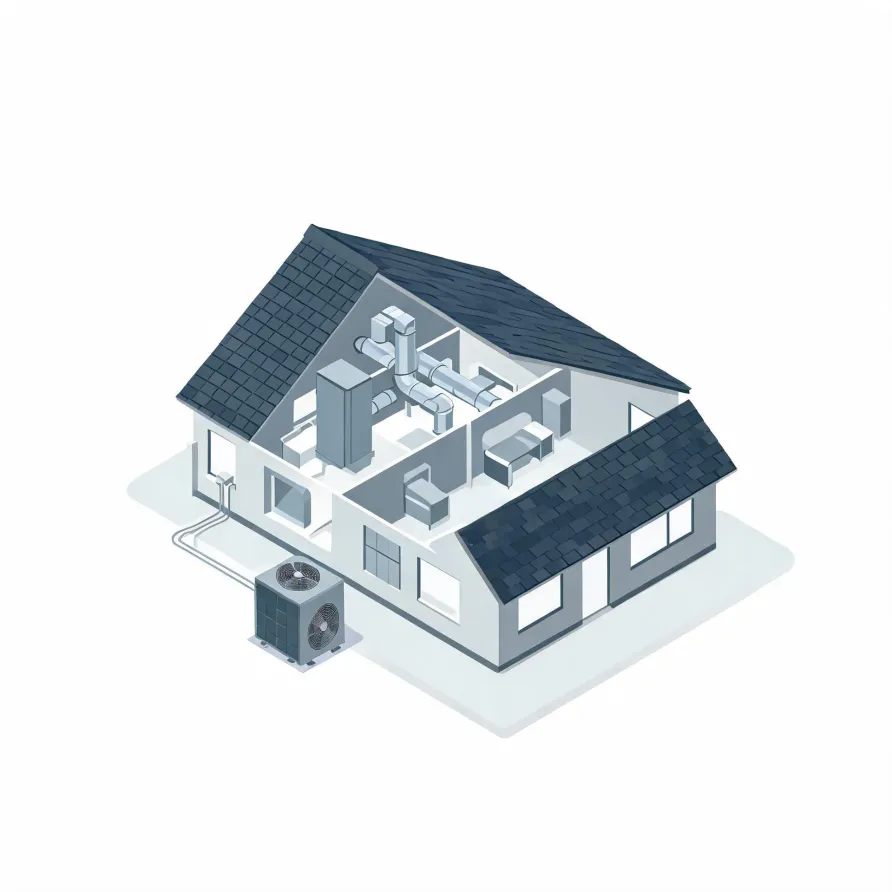
The outdoor unit is usually the first thing a contractor opens up. It holds the compressor, which moves refrigerant through the system, and the condenser coil, which releases or absorbs heat at the outside air. When either of those goes wrong, the system loses the ability to condition the house at all.
Inside, the air handler sits in a utility closet, attic, or basement and pushes conditioned air into the living space. It contains the evaporator coil and the blower motor. The refrigerant lines connecting the two units, the expansion valve, and the reversing valve that lets the system run in both heating and cooling modes are also points a contractor examines when something is off.
The drawing shows a typical heat pump layout, and a licensed contractor will determine which components and conditions apply to your specific house.
Find a contractor in Comanche CountyComanche County, Kansas, by the numbers
83 severe weather events were recorded in Comanche County, Kansas between 2015 and 2024.
NOAA National Centers for Environmental Information, Storm Events Database, bulk CSV export, events 2015-01-01 through 2024-12-31.Half the homes in Comanche County, Kansas were built in 1947 or earlier (2020-2024 ACS 5-year).
U.S. Census Bureau, 2020-2024 American Community Survey 5-Year EstimatesComanche County, Kansas holds 1,016 housing units (2020-2024 ACS 5-year).
U.S. Census Bureau, 2020-2024 American Community Survey 5-Year EstimatesOwners occupy 73.4% of the occupied homes in Comanche County, Kansas (2020-2024 ACS 5-year).
U.S. Census Bureau, 2020-2024 American Community Survey 5-Year EstimatesSevere Weather Events in Comanche County
Extreme weather puts heat pumps under the kind of stress that steady, mild conditions never do. How hard the equipment works, and how often it needs attention, is shaped by what the sky does here.
83 severe weather events, 2015–2024. Source: NOAA National Centers for Environmental Information, Storm Events Database.