Tell us about the job
Takes about a minute. No obligation.
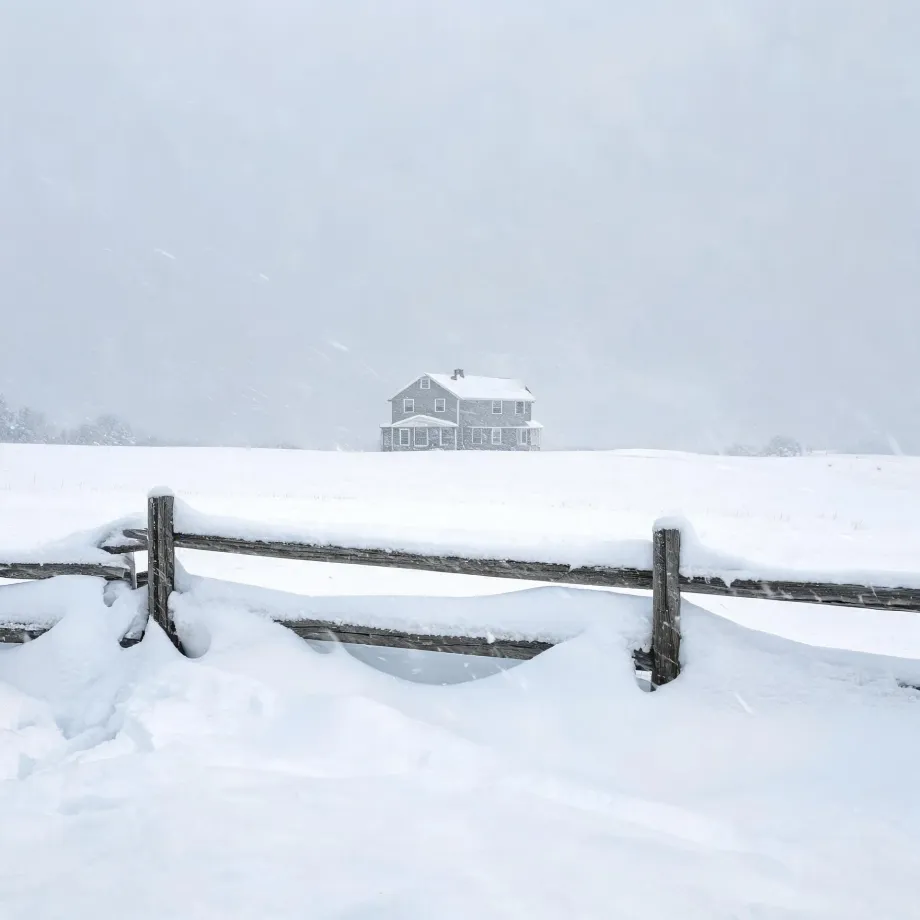
A heat pump in this area runs in heating mode far longer than it runs in cooling mode, which shifts where wear concentrates. Homes in Wilson County, KS run heat about seven months a year, from October through April. The refrigerant circuit works hardest at low outdoor temperatures, and the reversing valve cycles every time the system switches between modes. A contractor diagnosing a struggling unit here looks at those components early, because they carry the load of a long heating season rather than sharing it evenly with summer hours.
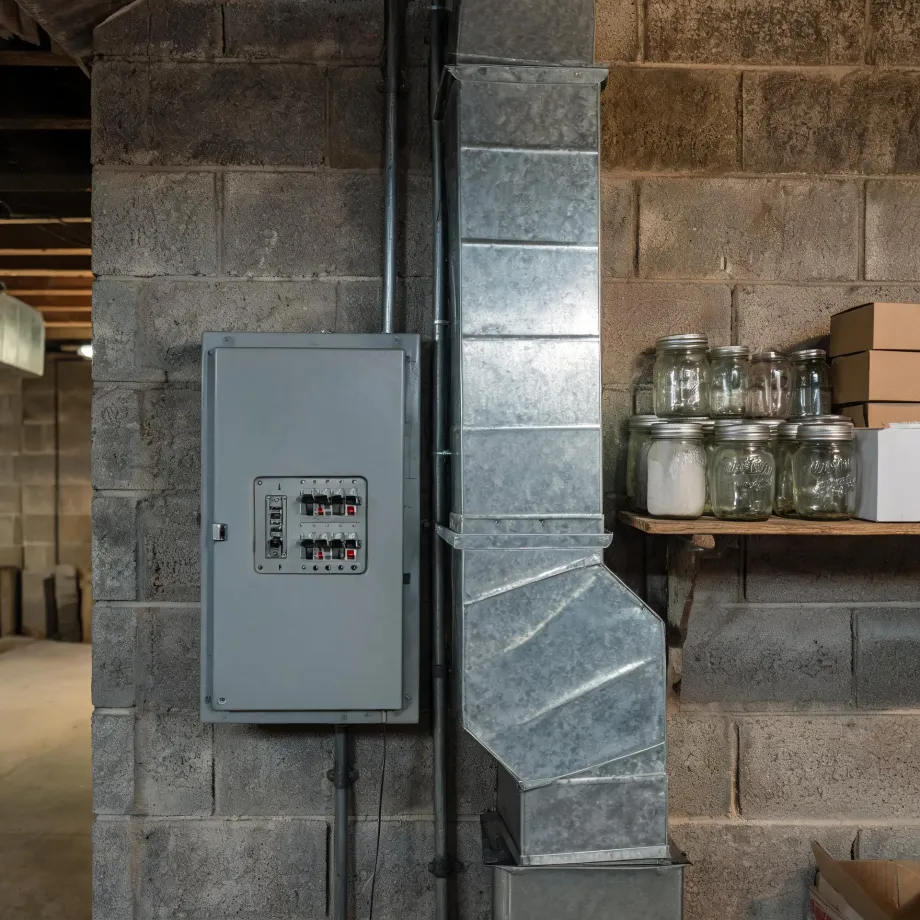
Ductwork that started its life paired to a different kind of system carries a repair job's hardest variables. Half the homes in Wilson County, Kansas were built in 1965 or earlier (2020-2024 ACS 5-year). A heat pump running through ducts of that vintage may be working against leaks, restrictions, or routing decisions made for equipment long gone, and a contractor opening the system finds whether the problem is in the unit itself or in what surrounds it. A failed capacitor is a straightforward parts call. A duct system that has been patched and rerouted across decades changes what any repair actually fixes.
The Parts of a Heat Pump a Contractor Checks First
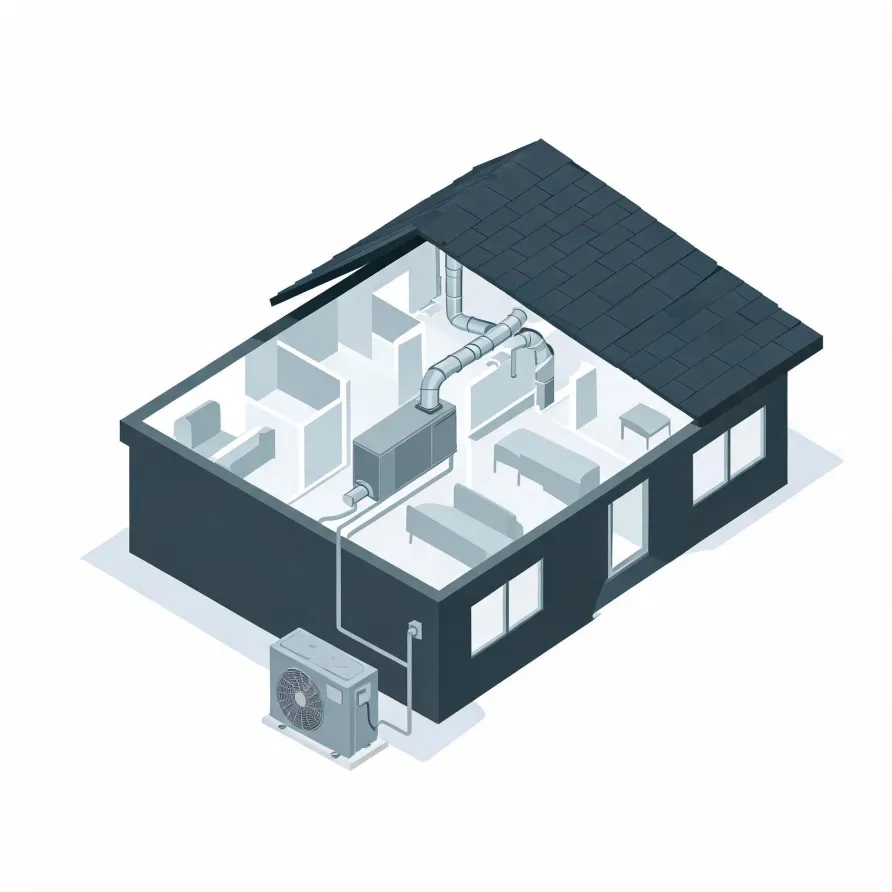
The outdoor unit sits outside the house and holds the compressor and the condenser coil. The compressor is usually where a contractor starts: when it fails, the system stops moving heat entirely. The condenser coil sits around it, and a damaged or dirty coil will show up as poor performance before anything else does.
Inside the house, the air handler pushes conditioned air through the home and contains the evaporator coil and the blower motor. The refrigerant lines run between the two units, and the reversing valve inside the system is what lets a heat pump heat and cool. A faulty reversing valve is a common reason a system gets stuck in one mode.
The drawing shows a typical layout, and a licensed contractor determines which parts apply to your specific system and what work they need.
Find a contractor in Wilson CountyWilson County, Kansas, by the numbers
76 severe weather events were recorded in Wilson County, Kansas between 2015 and 2024.
NOAA National Centers for Environmental Information, Storm Events Database, bulk CSV export, events 2015-01-01 through 2024-12-31.Half the homes in Wilson County, Kansas were built in 1965 or earlier (2020-2024 ACS 5-year).
U.S. Census Bureau, 2020-2024 American Community Survey 5-Year EstimatesWilson County, Kansas holds 4,493 housing units (2020-2024 ACS 5-year).
U.S. Census Bureau, 2020-2024 American Community Survey 5-Year EstimatesOwners occupy 77.7% of the occupied homes in Wilson County, Kansas (2020-2024 ACS 5-year).
U.S. Census Bureau, 2020-2024 American Community Survey 5-Year EstimatesSevere Weather Events in Wilson County
Kansas weather puts real stress on heat pump equipment, cycling it hard through cold snaps, heat spikes, and sudden swings that wear components faster than steady conditions do. How much of that load Wilson County carries is a local question, and it shapes how often repair needs come up.
76 severe weather events, 2015–2024. Source: NOAA National Centers for Environmental Information, Storm Events Database.