Tell us about the job
Takes about a minute. No obligation.
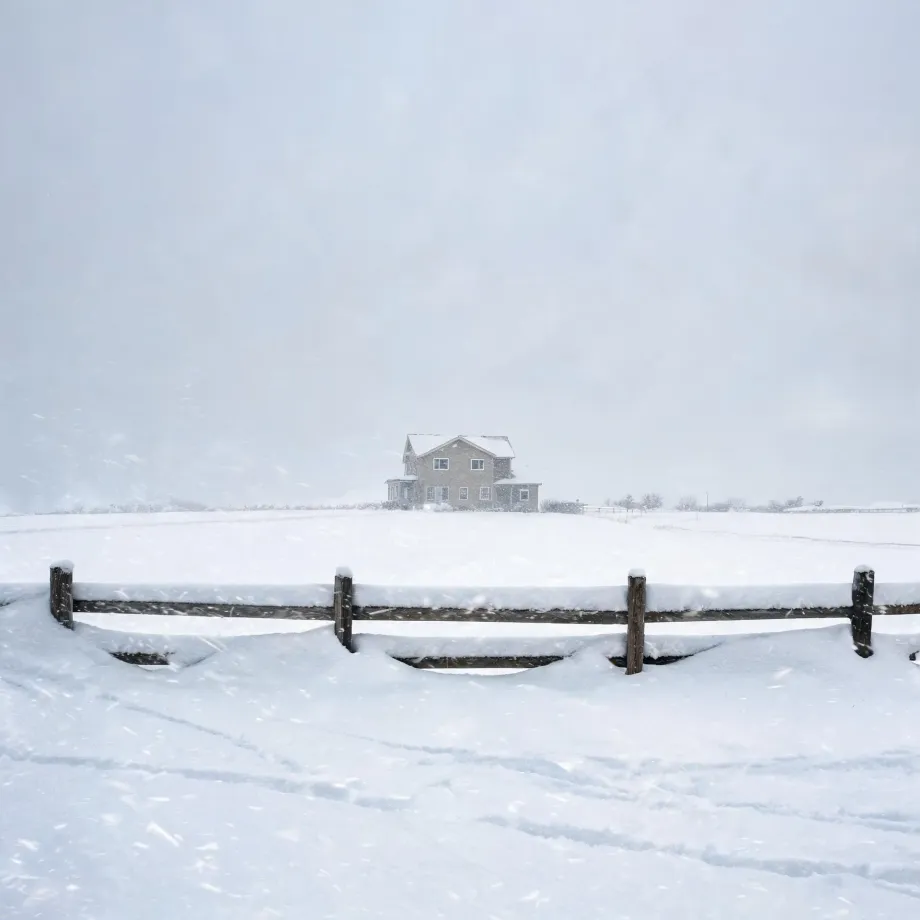
A heat pump in Crawford County earns its wear on the heating side, where falling outdoor temperatures push the compressor harder and the reversing valve cycles every time the unit switches modes or runs a defrost. Homes in Crawford County, KS run heat about seven months a year, from October through April. Refrigerant circuits and contactor points that accumulate that much heating runtime are the first places a contractor checks when a system loses capacity or trips a fault code before the season ends.
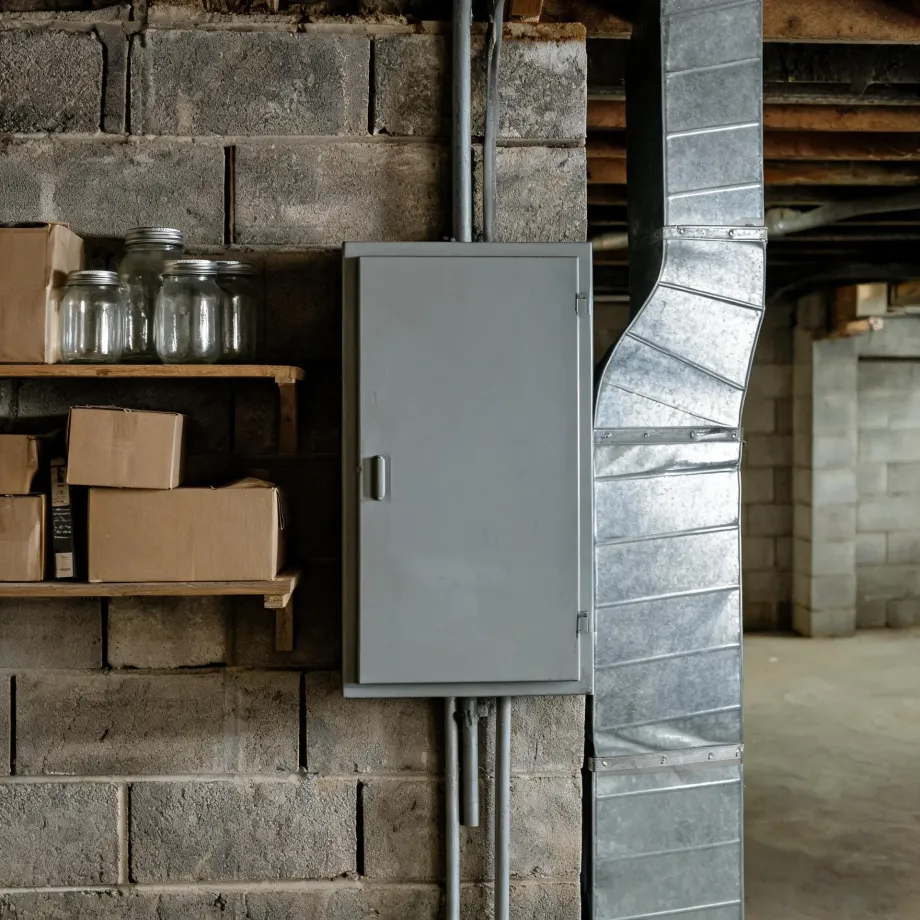
Heat pump repair in stock this old turns partly on what the opened unit actually contains: whether the refrigerant circuit, the reversing valve, or the control board takes a part still in active supply or one a contractor has to source carefully. Half the homes in Crawford County, Kansas were built in 1972 or earlier (2020-2024 ACS 5-year). A house that old has likely seen at least one system swap already, and the equipment now running in it reflects those choices, not the original build. What the contractor finds inside the cabinet is what sets the repair's scope, and that answer comes from the unit itself, not from what the permit says about the house.
The Parts of a Heat Pump a Contractor Checks First
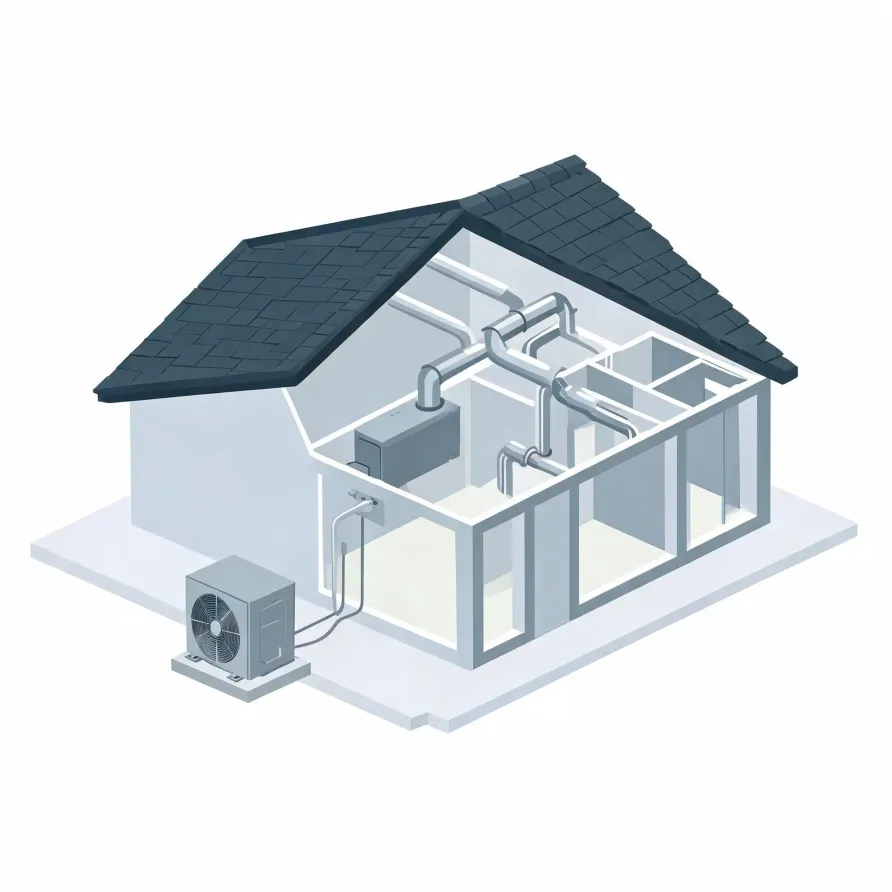
The outdoor unit sits outside the house and holds the compressor and condenser coil, which are the pieces doing the heaviest work in the system. When a heat pump loses heating or cooling capacity, stops running, or makes unusual noise, the compressor and the coil around it are where a contractor looks first.
Inside the house, the air handler contains the blower motor and the evaporator coil, which move conditioned air through the home. The refrigerant line set connects the two units, and the reversing valve inside the system is what lets a heat pump shift between heating and cooling modes. A fault in any of these can stop the whole system.
The drawing shows a general layout of a heat pump system, and a licensed contractor determines which components apply to your specific home and situation.
Find a contractor in Crawford CountyCrawford County, Kansas, by the numbers
142 severe weather events were recorded in Crawford County, Kansas between 2015 and 2024.
NOAA National Centers for Environmental Information, Storm Events Database, bulk CSV export, events 2015-01-01 through 2024-12-31.Half the homes in Crawford County, Kansas were built in 1972 or earlier (2020-2024 ACS 5-year).
U.S. Census Bureau, 2020-2024 American Community Survey 5-Year EstimatesCrawford County, Kansas holds 18,126 housing units (2020-2024 ACS 5-year).
U.S. Census Bureau, 2020-2024 American Community Survey 5-Year EstimatesOwners occupy 60.8% of the occupied homes in Crawford County, Kansas (2020-2024 ACS 5-year).
U.S. Census Bureau, 2020-2024 American Community Survey 5-Year EstimatesSevere Weather Events in Crawford County
Extreme weather puts heat pumps under load they were not designed to sustain indefinitely. How often that pressure arrives in Crawford County shapes how hard local equipment works and how soon repair needs surface.
142 severe weather events, 2015–2024. Source: NOAA National Centers for Environmental Information, Storm Events Database.