Tell us about the job
Takes about a minute. No obligation.
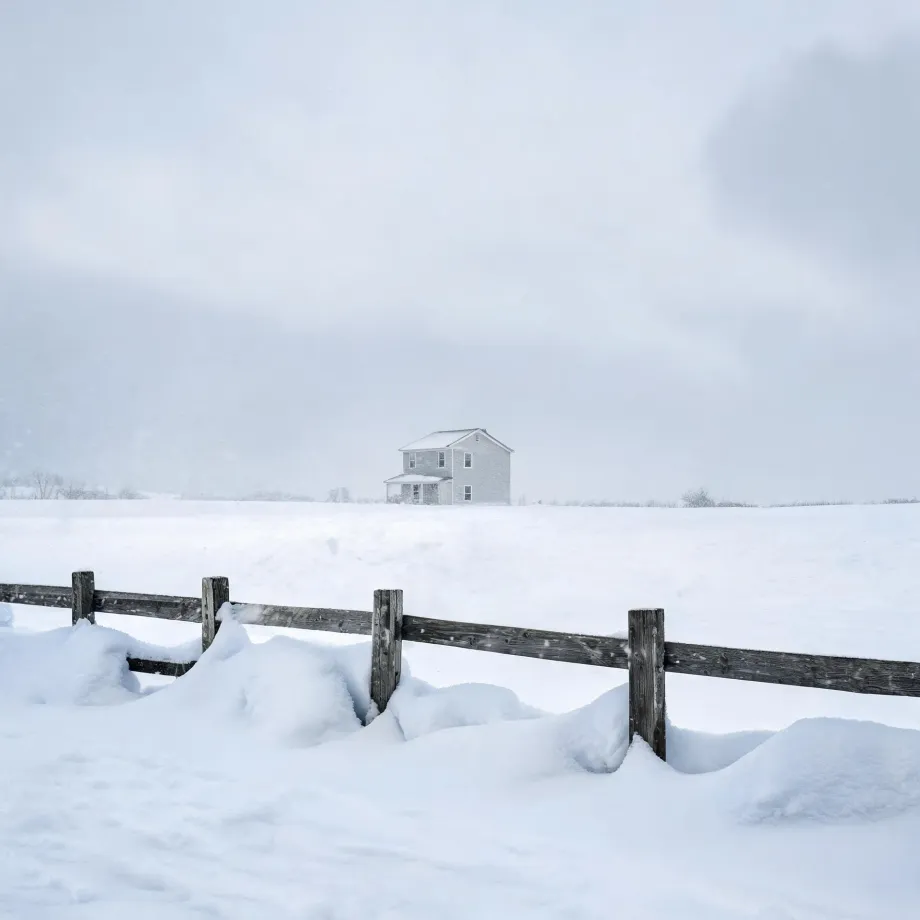
A heat pump in Scott County earns its wear on the heating side. Homes in Scott County, KS run heat about seven months a year, from October through April. The reversing valve cycles between modes all winter, and a contractor doing repair work here checks it and the refrigerant circuit before moving to anything else, because those are the components the heating load has been working hardest. Capacity also falls when outdoor temperatures drop, so a unit that is slightly undersized runs longer and harder to hold temperature, which shows up as compressor strain when a technician opens the system.
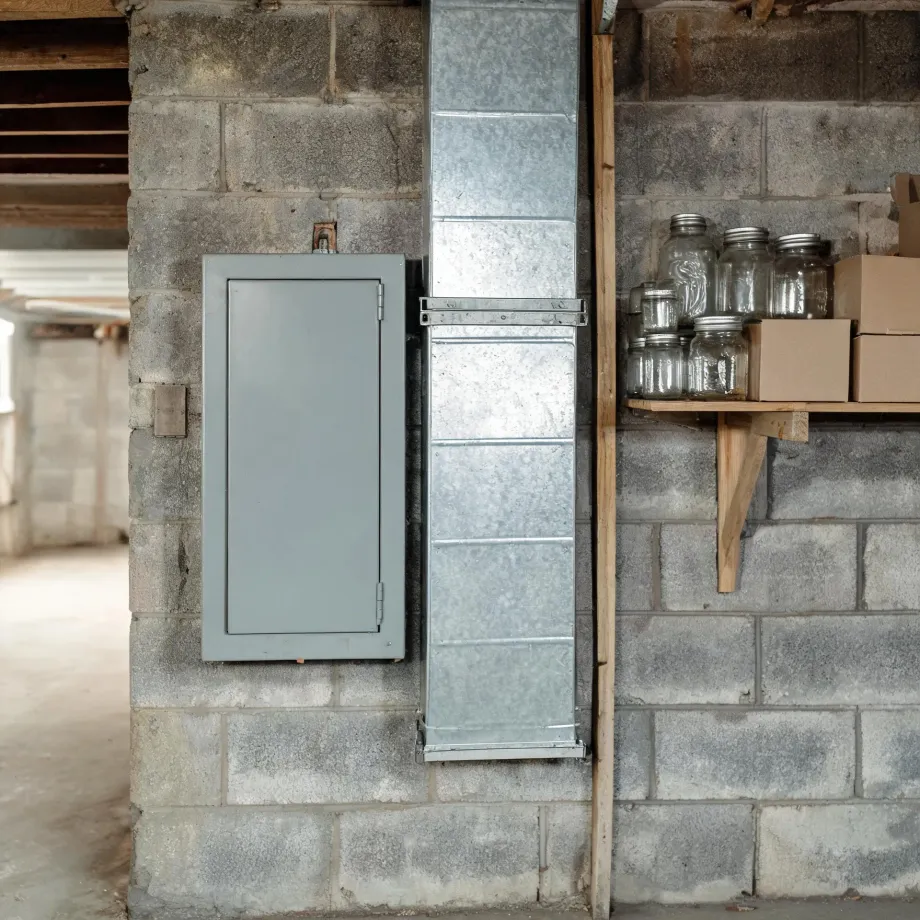
Ductwork laid down when these houses were built was sized and routed for whatever heated and cooled them then, and the heat pumps running in them now are not what those systems were. Half the homes in Scott County, Kansas were built in 1959 or earlier (2020-2024 ACS 5-year). When a contractor opens a unit in a house this age, the question that decides the repair is whether the parts that failed are still made, and for equipment that has cycled through one or more replacements since the original installation, that answer is not always yes.
The Parts of a Heat Pump a Contractor Checks First
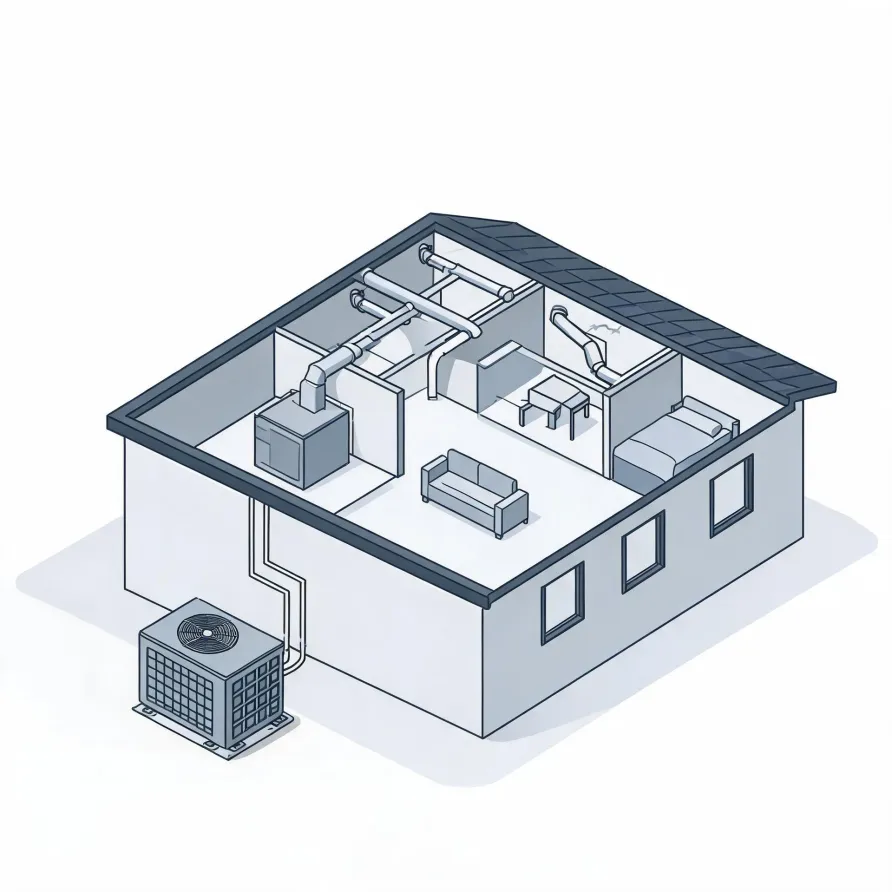
The outdoor unit is where most repair calls start. It houses the compressor, which moves refrigerant through the system, and the condenser coil, which releases or absorbs heat depending on the season. When either of those fails, the whole system stops doing its job. The outdoor fan motor is in that same cabinet and is another piece a contractor looks at early.
Inside the house, the air handler holds the evaporator coil and the blower motor, which pulls air across the coil and pushes it through the home. The reversing valve, also in the outdoor unit, is what lets a heat pump switch between heating and cooling. When a system runs but delivers the wrong temperature, that valve is often where the contractor's attention goes.
The drawing shows a typical layout, and a licensed contractor determines which components apply to your specific home and system.
Find a contractor in Scott CountyScott County, Kansas, by the numbers
217 severe weather events were recorded in Scott County, Kansas between 2015 and 2024.
NOAA National Centers for Environmental Information, Storm Events Database, bulk CSV export, events 2015-01-01 through 2024-12-31.Half the homes in Scott County, Kansas were built in 1959 or earlier (2020-2024 ACS 5-year).
U.S. Census Bureau, 2020-2024 American Community Survey 5-Year EstimatesScott County, Kansas holds 2,334 housing units (2020-2024 ACS 5-year).
U.S. Census Bureau, 2020-2024 American Community Survey 5-Year EstimatesOwners occupy 67.2% of the occupied homes in Scott County, Kansas (2020-2024 ACS 5-year).
U.S. Census Bureau, 2020-2024 American Community Survey 5-Year EstimatesSevere Weather Events in Scott County
Weather puts a measurable load on heat pump systems. How hard equipment works, and how often it fails, is tied to local conditions, which is why the repair picture in Scott County looks different from somewhere else.
217 severe weather events, 2015–2024. Source: NOAA National Centers for Environmental Information, Storm Events Database.