Tell us about the job
Takes about a minute. No obligation.
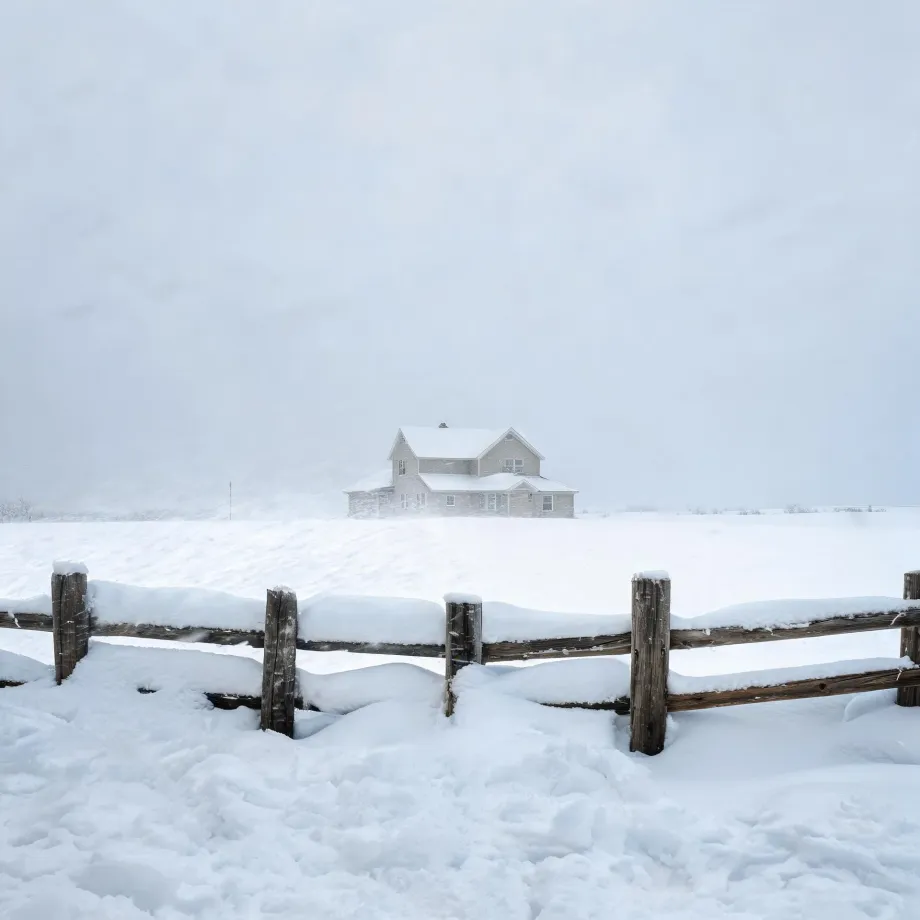
A contractor quoting a heat pump repair in Trego County has to account for what the heating season has already put on the equipment. Homes in Trego County, KS run heat about seven months a year, from October through April. Capacity drops as outdoor temperatures fall, which means the compressor works harder in the coldest weeks and accumulates wear that cooling-only equipment never sees on the same schedule. The reversing valve cycles every time the system switches modes, and a long heating season produces a lot of those cycles. When a repair comes in, those two components draw the first look.
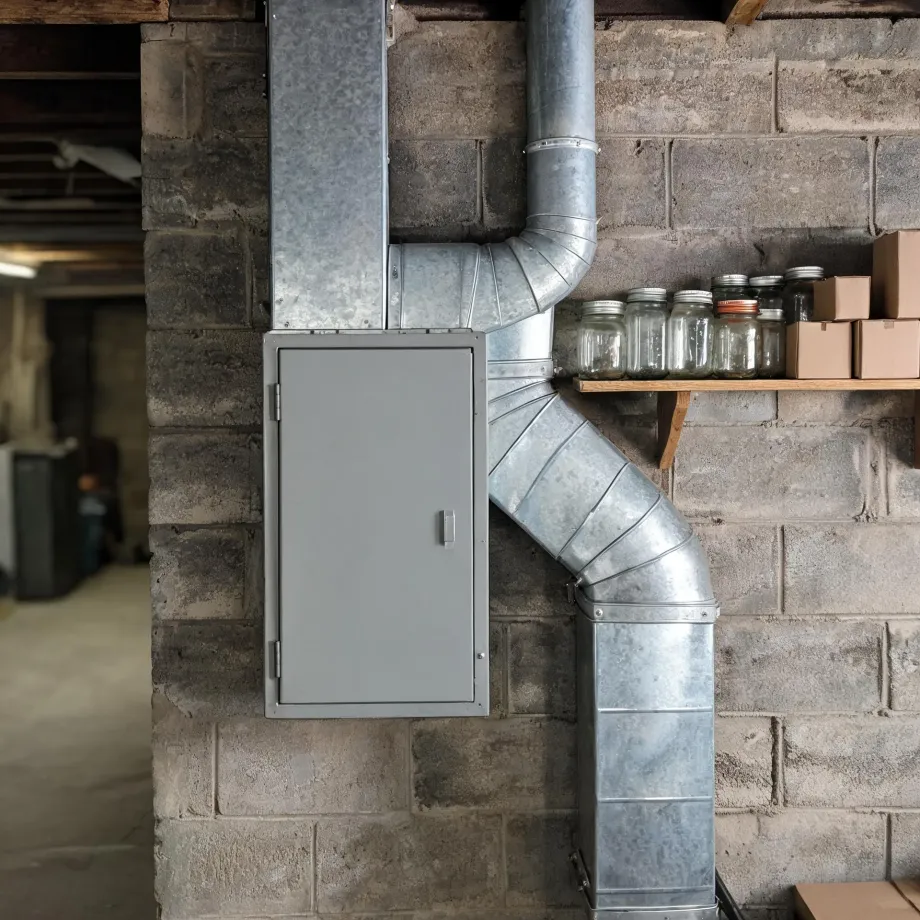
Ductwork in much of this county was sized and routed for equipment that no longer exists in these houses. Half the homes in Trego County, Kansas were built in 1963 or earlier (2020-2024 ACS 5-year). A heat pump repair that stays at the outdoor unit is straightforward; one that traces a refrigerant or airflow problem back through the supply runs has to reckon with what those runs were originally built to carry. A contractor pulling register covers or cutting access in a Trego County house is as likely to find a restriction or a seal failure in the duct system as a failed component at the unit itself.
The Parts of a Heat Pump a Contractor Checks First
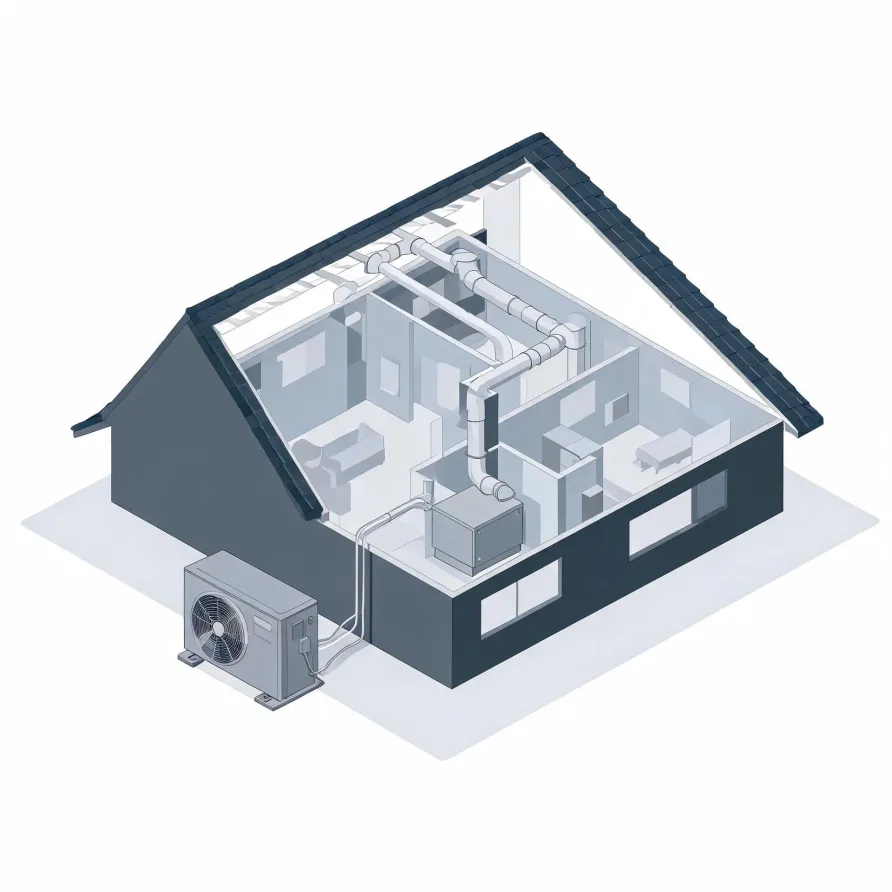
The outdoor unit sits outside the house and holds the compressor and condenser coil. These are the pieces a contractor reaches first when a heat pump stops heating or cooling properly. A failed compressor, a refrigerant leak at the coil, or a seized fan motor in that cabinet are common reasons the system quits.
Inside the house, the air handler pulls air across an evaporator coil and pushes it through the home. The expansion valve sits between the two coils and controls refrigerant flow. When the air handler runs but nothing changes in the house, the contractor looks at the coil, the valve, and the blower motor inside that cabinet.
The drawing shows the general layout of a heat pump system, and a licensed contractor determines which parts apply to your specific house and situation.
Find a contractor in Trego CountyTrego County, Kansas, by the numbers
167 severe weather events were recorded in Trego County, Kansas between 2015 and 2024.
NOAA National Centers for Environmental Information, Storm Events Database, bulk CSV export, events 2015-01-01 through 2024-12-31.Half the homes in Trego County, Kansas were built in 1963 or earlier (2020-2024 ACS 5-year).
U.S. Census Bureau, 2020-2024 American Community Survey 5-Year EstimatesTrego County, Kansas holds 1,709 housing units (2020-2024 ACS 5-year).
U.S. Census Bureau, 2020-2024 American Community Survey 5-Year EstimatesOwners occupy 82.2% of the occupied homes in Trego County, Kansas (2020-2024 ACS 5-year).
U.S. Census Bureau, 2020-2024 American Community Survey 5-Year EstimatesSevere Weather Events in Trego County
Extreme weather puts heat pumps under load at the worst moments, and equipment that handles that stress repeatedly is equipment that wears faster. How hard the weather pushes here shapes how hard the repair work is.
167 severe weather events, 2015–2024. Source: NOAA National Centers for Environmental Information, Storm Events Database.