Tell us about the job
Takes about a minute. No obligation.

A contractor sizing up a heat pump repair in Lyon County starts with the components that carry the heating load: the reversing valve, the refrigerant circuit, and the coil. Homes in Lyon County, KS run heat about seven months a year, from October through April. Across that kind of run, the refrigerant circuit cycles through pressure swings every time outdoor temperatures drop, and the reversing valve switches direction whenever the thermostat calls. Both parts show fatigue in ways that quieter seasons would delay. A contractor who skips straight to the compressor without checking those first is working out of order.
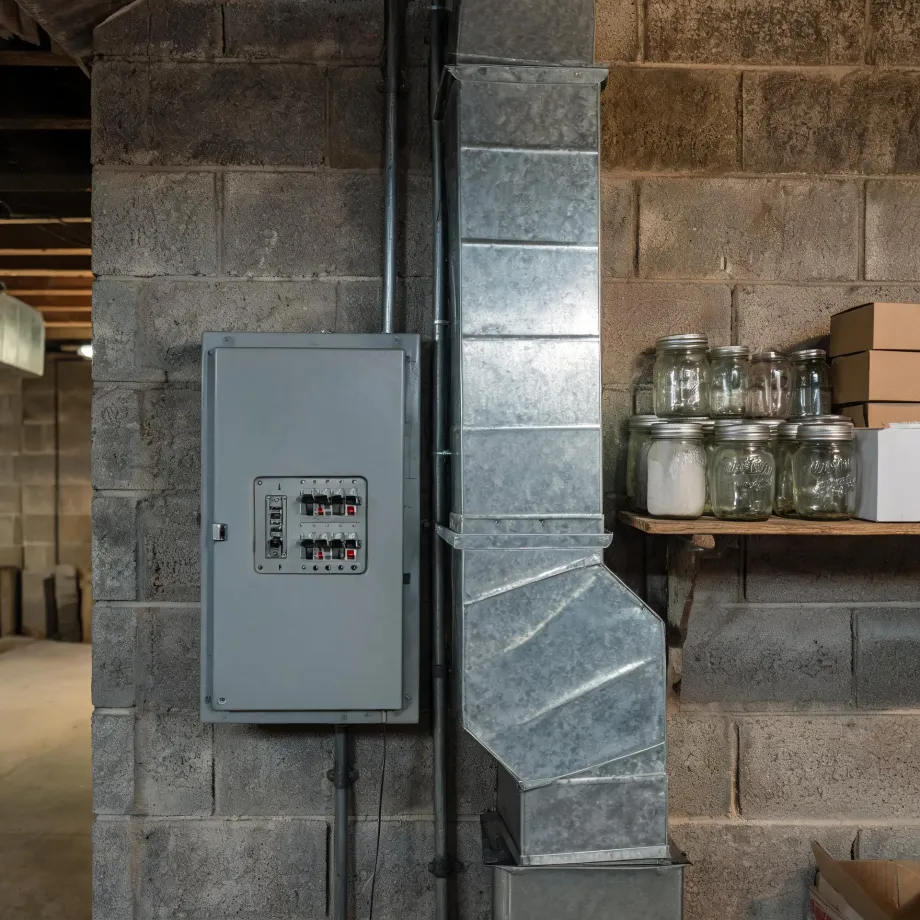
Half the homes in Lyon County, Kansas were built in 1970 or earlier (2020-2024 ACS 5-year). A heat pump sitting in a house from that era has run through a lot of cycles, and what the opened system contains tends to be the variable that decides how a repair goes. Worn contactors, degraded capacitors, and oxidized connections are common findings. Parts availability matters too: a contractor quoting a repair on aging equipment checks whether the components it takes are still being made before settling on a scope. That answer shapes the bill.
The Parts of a Heat Pump a Contractor Checks First
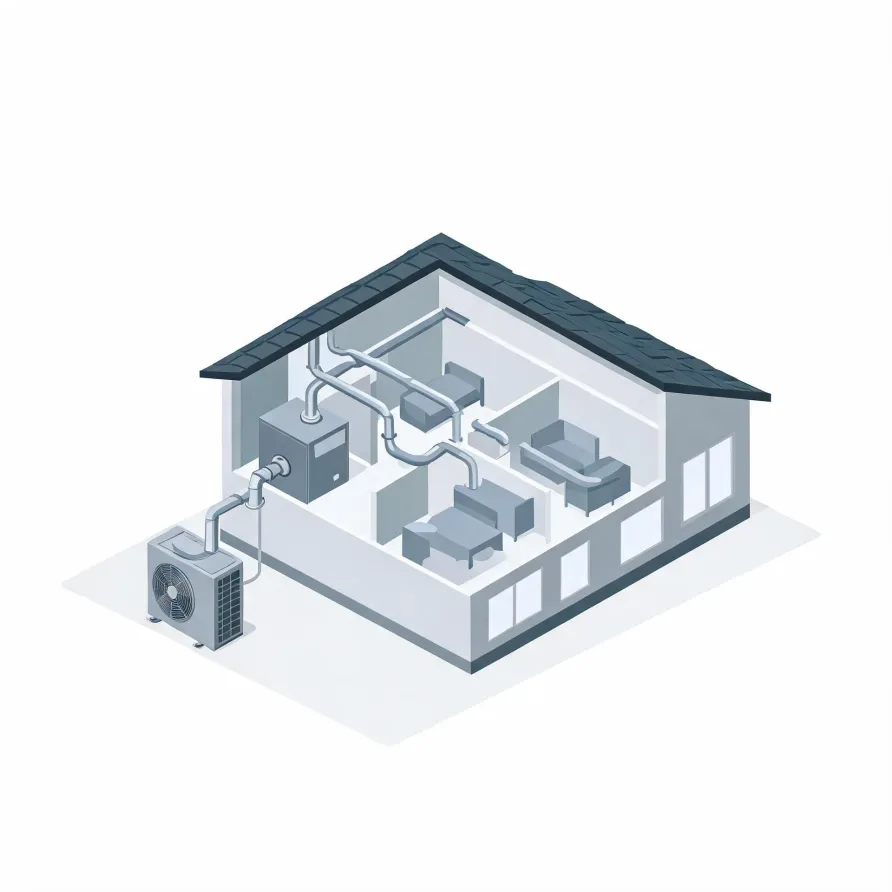
The outdoor unit sits outside the house and holds the compressor and the condenser coil. These are where most faults show up. A contractor working through a repair call will look at the compressor for signs of failure and at the coil for damage or blockage that keeps the system from moving heat the way it should.
The air handler lives inside, usually in a closet, attic, or utility room, and it contains the evaporator coil and the blower fan. The refrigerant line set runs between the two units, and the reversing valve inside the system controls which direction heat moves. Any of these can be the source of a problem.
The drawing shows the general layout of a heat pump system, and a licensed contractor determines which parts and conditions apply to your specific house.
Find a contractor in Lyon CountyLyon County, Kansas, by the numbers
194 severe weather events were recorded in Lyon County, Kansas between 2015 and 2024.
NOAA National Centers for Environmental Information, Storm Events Database, bulk CSV export, events 2015-01-01 through 2024-12-31.Half the homes in Lyon County, Kansas were built in 1970 or earlier (2020-2024 ACS 5-year).
U.S. Census Bureau, 2020-2024 American Community Survey 5-Year EstimatesLyon County, Kansas holds 15,027 housing units (2020-2024 ACS 5-year).
U.S. Census Bureau, 2020-2024 American Community Survey 5-Year EstimatesOwners occupy 57.9% of the occupied homes in Lyon County, Kansas (2020-2024 ACS 5-year).
U.S. Census Bureau, 2020-2024 American Community Survey 5-Year EstimatesSevere Weather Events in Lyon County
Kansas weather puts real strain on heat pump systems, and Lyon County gets its share of conditions that push equipment hard. Repair needs here are shaped by local climate, which makes the weather record a useful starting point.
194 severe weather events, 2015–2024. Source: NOAA National Centers for Environmental Information, Storm Events Database.