Tell us about the job
Takes about a minute. No obligation.
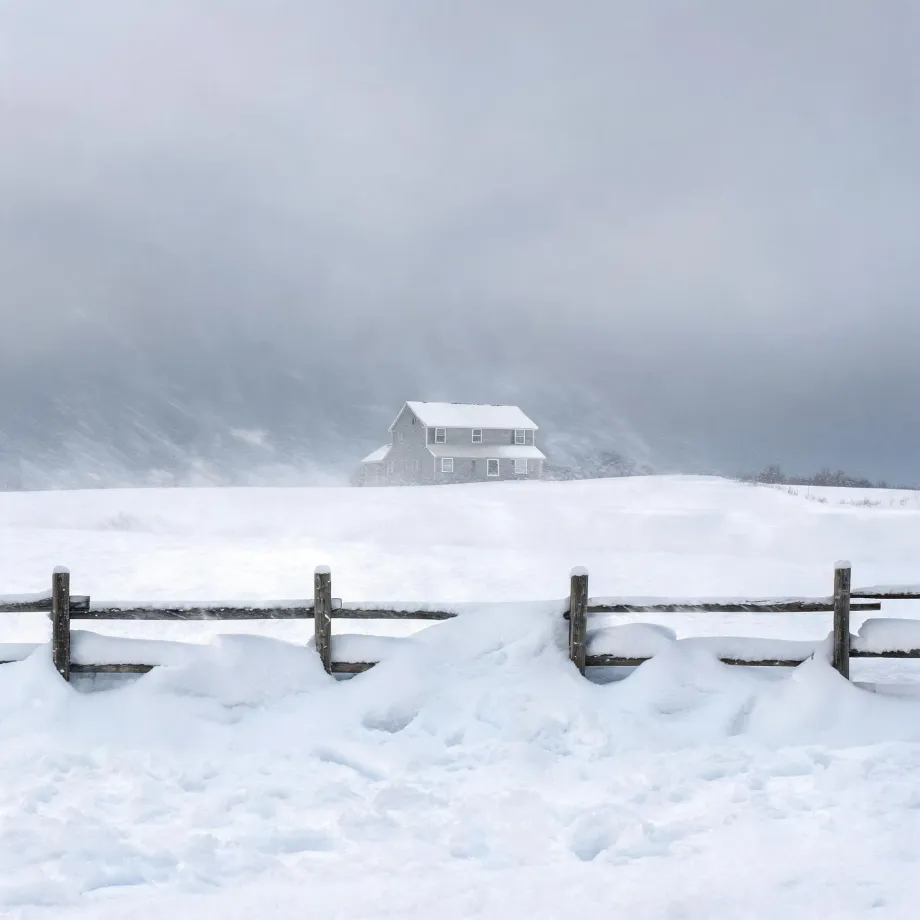
A heat pump in Sherman County earns its failures the hard way. Homes in Sherman County, KS run heat about eight months a year, from October through May. The compressor and reversing valve cycle through heating and cooling transitions across that stretch, and by the time a fault shows, both parts carry real accumulated wear. A contractor diagnosing a repair here checks those components first, because the refrigerant circuit has been working under load far longer than the defrost controls or the capacitor.
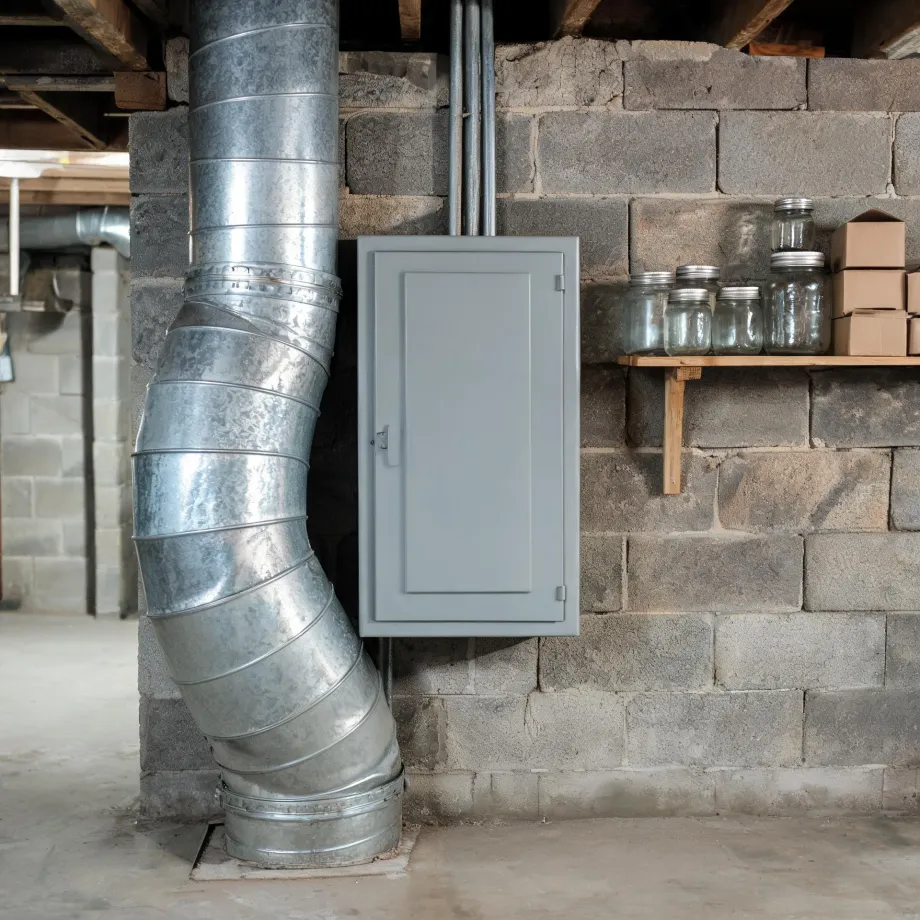
Half the homes in Sherman County, Kansas were built in 1967 or earlier (2020-2024 ACS 5-year). A heat pump running in a house that old has almost certainly been the second or third system through the same duct runs and electrical pathways. What a contractor finds when the unit is opened reflects that history: capacitor stress, refrigerant charge drift, and compressor wear that accumulates differently when the system cycles against ductwork that was never sealed tight. Parts for a heat pump installed in stock this age are sometimes still available, sometimes not, and which it turns out to be changes what a repair actually costs.
The Parts of a Heat Pump a Contractor Checks First
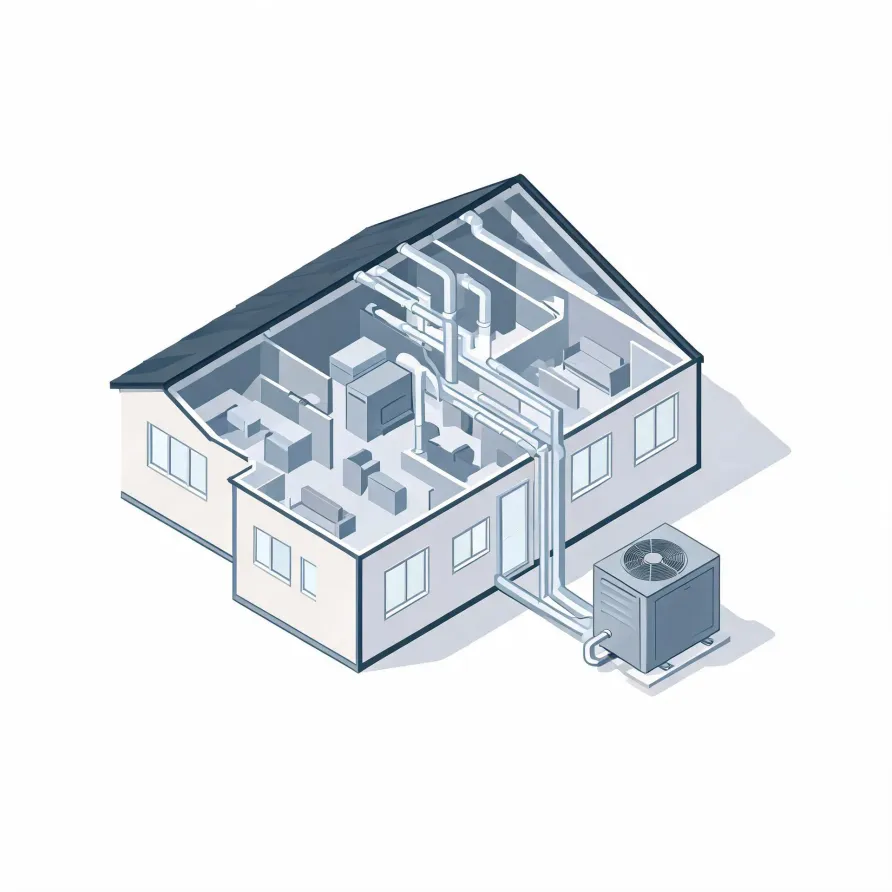
The outdoor unit sits outside the house and holds the compressor and the condenser coil. The compressor is where a contractor looks when the system runs but moves no heat. The condenser coil draws attention when the unit is icing over or the refrigerant charge is off.
The air handler lives inside, usually in a closet, attic, or utility space, and pushes conditioned air through the home. It contains the evaporator coil and the blower motor, both of which a contractor examines when airflow is weak or the system short-cycles. The refrigerant lines connecting the two units and the reversing valve, which tells the system which direction to move heat, round out what a contractor will work through.
The drawing shows the general layout of a heat pump system, and a licensed contractor determines what applies to this particular house.
Find a contractor in Sherman CountySherman County, Kansas, by the numbers
477 severe weather events were recorded in Sherman County, Kansas between 2015 and 2024.
NOAA National Centers for Environmental Information, Storm Events Database, bulk CSV export, events 2015-01-01 through 2024-12-31.Half the homes in Sherman County, Kansas were built in 1967 or earlier (2020-2024 ACS 5-year).
U.S. Census Bureau, 2020-2024 American Community Survey 5-Year EstimatesSherman County, Kansas holds 2,936 housing units (2020-2024 ACS 5-year).
U.S. Census Bureau, 2020-2024 American Community Survey 5-Year EstimatesOwners occupy 65.5% of the occupied homes in Sherman County, Kansas (2020-2024 ACS 5-year).
U.S. Census Bureau, 2020-2024 American Community Survey 5-Year EstimatesSevere Weather Events in Sherman County
Extreme weather puts heat pumps under strain, and the demands vary by location. Repair needs in Sherman County reflect what the local climate actually puts the equipment through.
477 severe weather events, 2015–2024. Source: NOAA National Centers for Environmental Information, Storm Events Database.