Tell us about the job
Takes about a minute. No obligation.
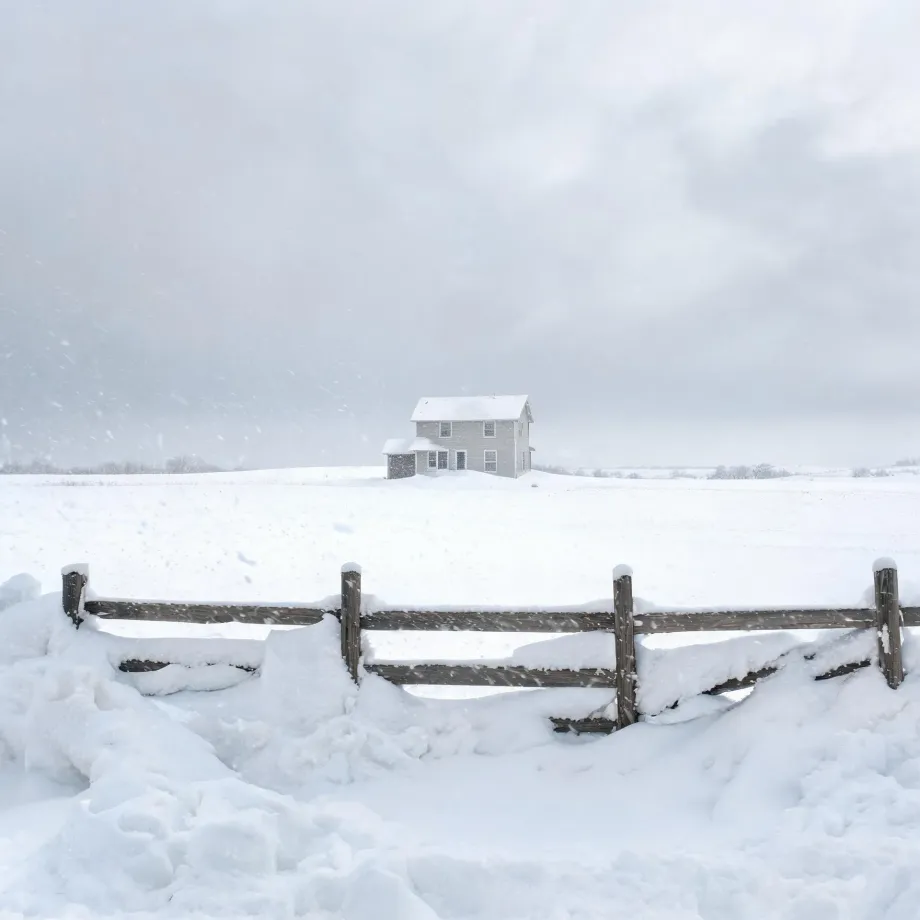
A heat pump working a repair call in Wallace County has usually spent the bulk of its life in heating mode, not cooling. Homes in Wallace County, KS run heat about eight months a year, from October through May. The refrigerant circuit, the reversing valve, and the defrost controls carry that load, cycling against outdoor temperatures that fight the system's ability to move heat. When a contractor opens a unit here, the reversing valve and defrost board are early stops, because those are the components that work hardest through a long heating season. Compressor wear follows from the same extended duty.
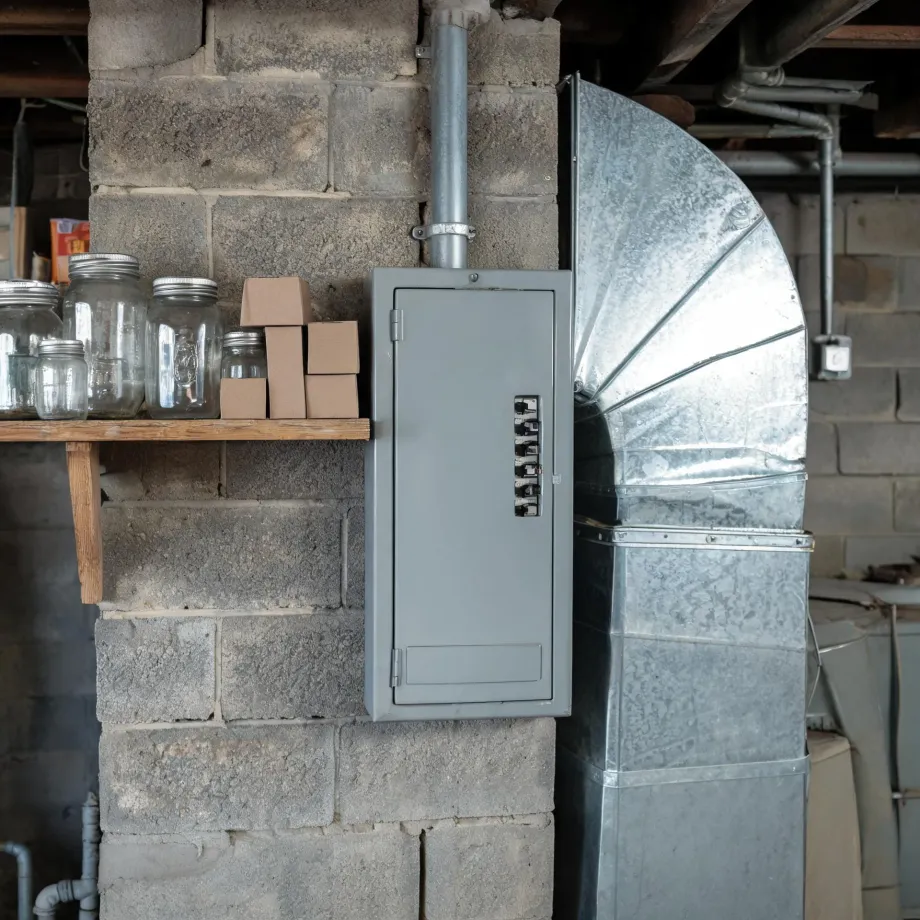
Half the homes in Wallace County, Kansas were built in 1961 or earlier (2020-2024 ACS 5-year). A heat pump sitting in a house that old has almost certainly been replaced or retrofitted at least once, which means the unit a contractor opens may be running parts from any of several generations of equipment. What that contractor actually finds inside decides the repair: a refrigerant line, a contactor, or a control board whose manufacturer has moved on may simply not have a current replacement available, and the job changes shape around that. The age of the walls is background; what is inside the cabinet is the variable that drives the quote.
The Parts of a Heat Pump a Contractor Checks First
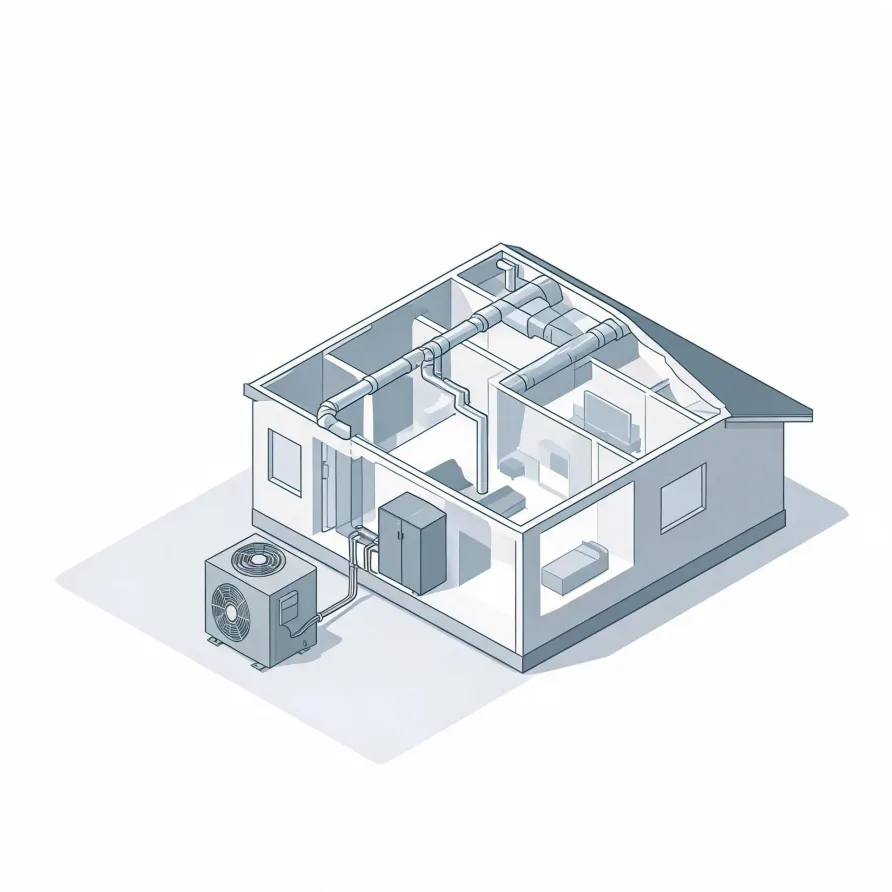
The outdoor unit is usually where a contractor starts. It houses the compressor, which moves refrigerant through the system, and the condenser coil, which releases or absorbs heat depending on the season. When either fails, the system loses its ability to condition air at all.
Inside the house, the air handler holds the evaporator coil and the blower fan that pushes conditioned air into the living space. The expansion valve, refrigerant lines, and reversing valve connect the two units and control which direction the system runs. A fault in any of these shows up as the wrong temperature, weak airflow, or the system short-cycling.
The drawing shows a typical heat pump layout, and a licensed contractor determines which components apply to your specific installation.
Find a contractor in Wallace CountyWallace County by the numbers
232 severe weather events were recorded in Wallace County, Kansas between 2015 and 2024.
NOAA National Centers for Environmental Information, Storm Events Database, bulk CSV export, events 2015-01-01 through 2024-12-31.Half the homes in Wallace County, Kansas were built in 1961 or earlier (2020-2024 ACS 5-year).
U.S. Census Bureau, 2020-2024 American Community Survey 5-Year EstimatesWallace County, Kansas holds 717 housing units (2020-2024 ACS 5-year).
U.S. Census Bureau, 2020-2024 American Community Survey 5-Year EstimatesOwners occupy 74.8% of the occupied homes in Wallace County, Kansas (2020-2024 ACS 5-year).
U.S. Census Bureau, 2020-2024 American Community Survey 5-Year EstimatesSevere Weather Events in Wallace County
Weather puts real stress on heat pump equipment, and that stress shows up in repair frequency. What happens in this county shapes how hard the equipment works and how often it needs attention.
232 severe weather events, 2015–2024. Source: NOAA National Centers for Environmental Information, Storm Events Database.