 Let a pro reach out
Is a heat pump enough for winter in Hays, KS
Send the form and stop researching installers for the new heat pump.
A heat pump can heat a house in Ellis County through the winter, but Hays gets cold enough, down into the teens and sometimes lower, that most heat pumps need help once the outdoor air drops that far. That's why most homes here heat with gas, and why a heat pump in this area is usually paired with a furnace rather than asked to do the whole job alone.
Whether yours is set up that way, or set up right, is worth finding out before the next cold snap rather than during it. A heat pump running past the point it can keep up will run constantly and still lose ground, and that shows up on the power bill before it shows up as a cold house.
Power here is cheap, which is part of why a heat pump makes sense for the shoulder months. Gas carries the hard cold. A system that's sized and installed to switch between the two at the right point is doing what it's supposed to. One that isn't will struggle exactly when you need it most.
Getting that looked at doesn't have to mean a string of calls to different companies trying to find someone who knows heat pumps as well as furnaces. Send the request once and it goes to one contractor, local to this area, who installs and works on this kind of setup through winters like the ones Hays actually gets. From there it's off your plate. No need to track down who's available or who calls back first. That part stops being something you have to manage.
A heat pump keeps up with a Hays winter most days, but not all of them. These units pull heat from outside air, and that works fine down into the 30s and 40s. Once the air gets colder than that, into the teens and below, which happens plenty of winters here, the heat pump has to work harder for less heat, and at some point it can't keep the house warm on its own. That's the main reason most homes in Ellis County heat with gas. A heat pump paired with a gas furnace switches to the furnace when the outdoor temperature drops low enough, so the house stays warm without the heat pump straining through the coldest stretches. A heat pump alone, with no backup heat source, is going to come up short on the hardest nights. Getting that pairing set up correctly, so the switch happens at the right point, is a job for whoever installs the system.
How cold does it get, and how long does your heat pump have to work?
Winter nights average 20°F
Overnight lows average 20°F across December, January and February here, which is cold enough that a heat pump alone will struggle on a lot of those nights.
Heat runs October through April
Heat runs from October through April in Ellis County, about seven months of the year your system is working, not just the coldest stretch.
Cooling runs June through September
Cooling runs June through September, so the other half of the year your heat pump is doing the easier job of pulling heat out, not making it.
NOAA nClimDiv 1991-2020
Heat pump alone, on a mild day
Outside is in the 40s. The heat pump pulls heat from that air and moves it inside, and it does this well. The compressor runs steady, the air coming out of the vents feels warm, and the house holds its temperature without any help. This is most of what the unit does all winter, because most days in Ellis County don't drop much past the 30s. On a day like this, a heat pump is all the house needs, and it runs cheaper than a furnace would to do the same job. No backup heat kicks in. The system just works, quietly, the way it's supposed to.
Heat pump alone, on a cold night
Outside is in the teens. The heat pump is still pulling heat from that air, but there's less of it to pull, and the unit has to run longer to move the same amount of heat into the house. Left alone, without a furnace or strip heat to back it up, it falls behind. The air coming out of the vents is noticeably cooler, and the thermostat can't catch up. This is the night a gas furnace, or some other backup source, has to take over. Without one, the house loses ground until the outdoor temperature climbs back out of the teens.




Stop chasing a heat pump pro

A licensed installer who works in Ellis County gets your project.
No charge to send it. You decide if you hire them.
What a backup heat source does
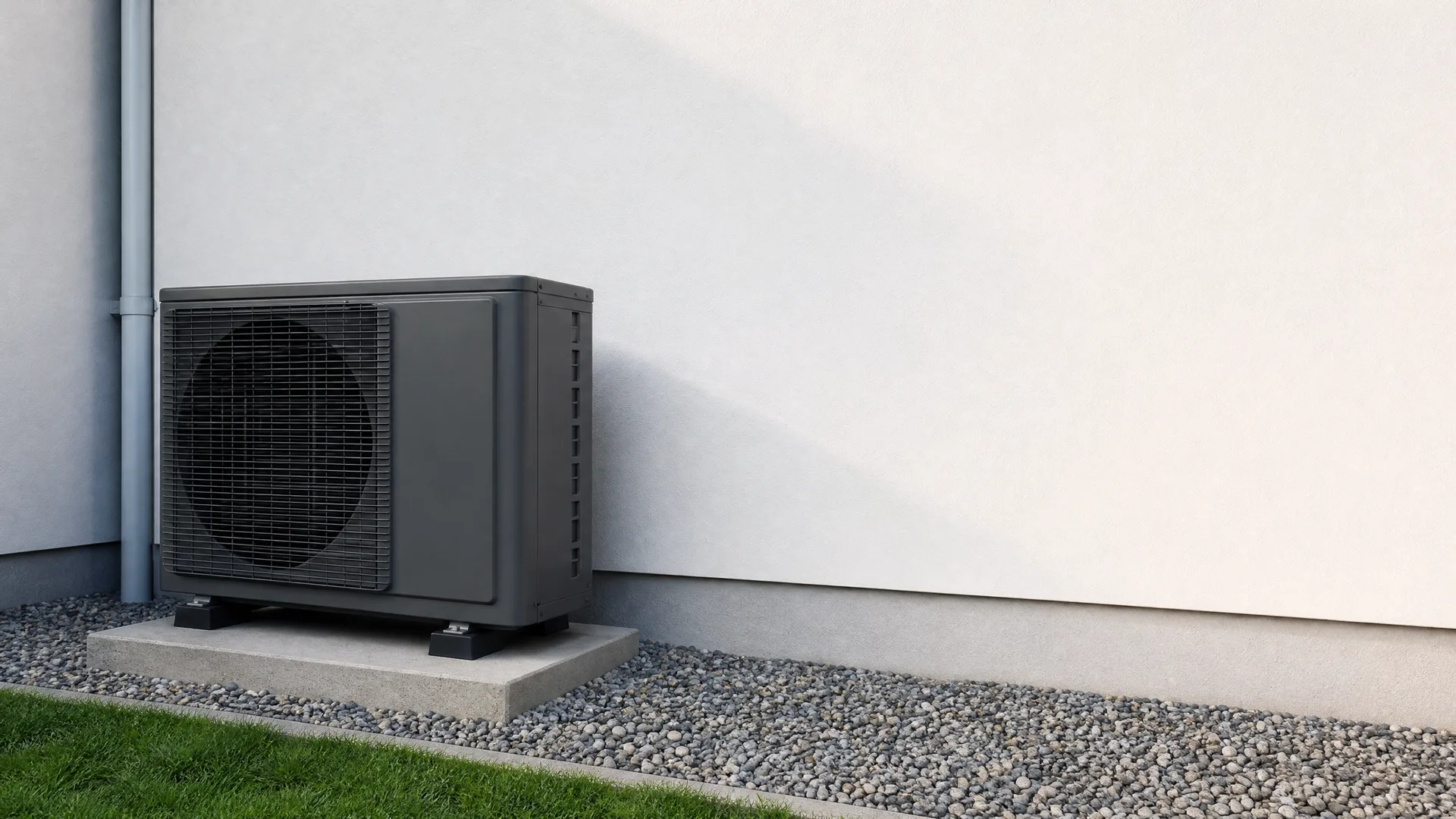
Most heat pumps installed in Hays come paired with a backup, usually a gas furnace, that takes over once the outdoor air gets too cold for the heat pump to keep up on its own. The switch happens automatically. The thermostat calls for more heat than the heat pump can deliver, and the furnace fires. You won't feel the changeover or need to do anything when it happens.
Why gas makes a practical backup
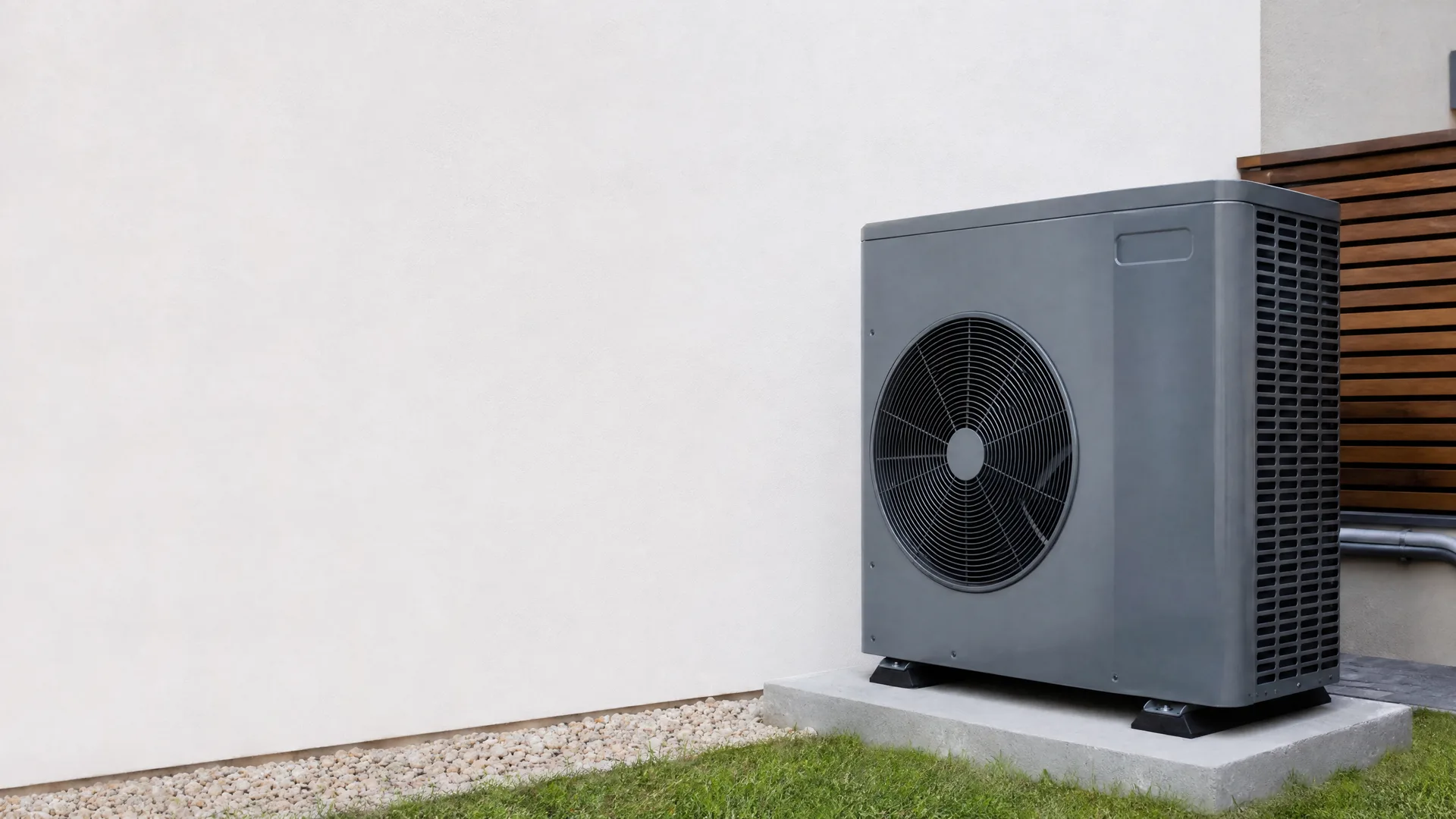
Gas furnaces put out heat that doesn't depend on outdoor air temperature, so they keep working the same whether it's 30 degrees outside or 5. Pairing one with a heat pump means the heat pump handles the milder stretches of winter, when it runs efficiently, and the furnace covers the nights that drop into the teens or lower. Power here is cheap, but gas furnace backup is still the common setup in Ellis County homes with heat pumps.
Is your heat pump keeping your house warm enough?
You might notice the air coming out of the vents feels cool instead of warm on the coldest mornings, or the house just doesn't climb to the temperature on the thermostat no matter how long the system runs. Maybe it runs nearly nonstop once it drops into the teens overnight. If there's no backup heat kicking in behind it, the heat pump is working alone against air that's too cold for it to pull much from, and it will lose ground. Left alone through a Hays winter, that means rooms that stay cold, a system straining night after night, and higher bills for the extra runtime without the comfort to show for it.


Where This Leaves You
- A heat pump handles most of a Hays winter on its own but needs backup once temperatures drop into the teens and below.
- Pairing a heat pump with a gas furnace covers both the mild days and the hardest cold snaps without you having to think about which one is running.
- A local installer who works on heat pump and furnace setups all winter knows which backup configurations hold up in Ellis County cold.
- Getting the sizing and the switchover point right at installation is what decides whether your house stays warm on the coldest night of the year.
- Submitting one request connects you with a single licensed Hays contractor instead of a pile of calls to sort through.
- The system you end up with should match how cold it actually gets where you live, not a generic setup built for a milder climate.
A heat pump is not the wrong choice for a Hays winter. It just is not the whole answer by itself, not with overnight lows averaging 20°F across December, January and February. Paired with a gas furnace that takes over when the air gets too cold for the heat pump to keep pulling heat from it, the two together cover the full range, from the mild 40-degree days to the nights that sit in the teens or lower. What makes that pairing work is how it is set up: the sizing, the backup, and the point where one hands off to the other. That is installation work, and it is worth having someone handle it who installs these systems in Ellis County and sees every winter which configurations actually hold up here and which ones leave a house cold at 2 a.m. Send one request and it goes to one licensed Hays contractor, not a handful of companies competing for the job. That contractor works on heat pump and furnace setups in this exact climate all season, which means they already know what tends to fail and what sizing actually gets a house through a Hays January. Your system should be built around how cold it gets where you live, not around a milder winter somewhere else. Get the installation right and the question of whether a heat pump is enough stops being something you have to wonder about on the coldest night of the year.
Send one request and you're done looking
One installer gets your project, so there's no bidding war over it.